
Page 11 of 17

How the IoT is Used in Plastic Injection Molding
Whether you call it the Internet of Things (IoT), the Industrial Internet of Things (IIoT), or Industry 4.0, one thing is clear; it’s revolutionizing every form of industry and production, and that includes injection molding. Smart manufacturing is making it easier than ever to collect and analyze data, strengthen weaknesses, and mitigate problems; it’s also…

The Past, Present and Future of Injection Molding
Plastic injection molding is a fundamental manufacturing process capable of producing a variety of components and pieces – from intricate parts to large sections or panels. While plastic injection molding has evolved over time – due in large part to technological advancements – the process remains fundamentally the same. This post will provide a brief…

What is Mold Flow Analysis and How Does It Impact Production?
When taking on a tooling project, no detail can be overlooked. With the numerous variables that can impact production, you should expect some hiccups. That is why mold flow analysis is such a crucial component of production. Let’s dive into this idea and see how to manage the risks associated with designing a new mold.

Steel or Aluminum? Finding Your Proper Mold Material
When developing a new injection mold, choosing the right material for the job is one of the most critical steps. There is no one right option for all jobs and all situations – the right material is going to depend on the specifics of the task at hand. Only when all of the various factors…

Brief Guide to Tooling Design and Maintenance
When you have a manufacturing project in front of you, there are a lot of costs and timelines to manage. How soon can you get production up and running? Also, at what cost? You need to find answers to these questions quickly for the project to proceed successfully.

6 Ways Choosing the Right Injection Molding Partner Will Impact Your Process
Plastic injection molding has plenty of benefits when compared to its other manufacturing counterparts. Injection molding is quick, accurate, resourceful, and costs less, making it an excellent option for any company. Leveraging injection molding can have quite the positive impact on your business, and having the right partner is key; here are 6 reasons why.

7 Reasons to Perform a Mold Flow Analysis
Mold flow analysis can be essential to ensure that a mold is capable of producing the strongest and most consistent parts. Is mold flow a necessary step of the process, or is it just extra time and effort?
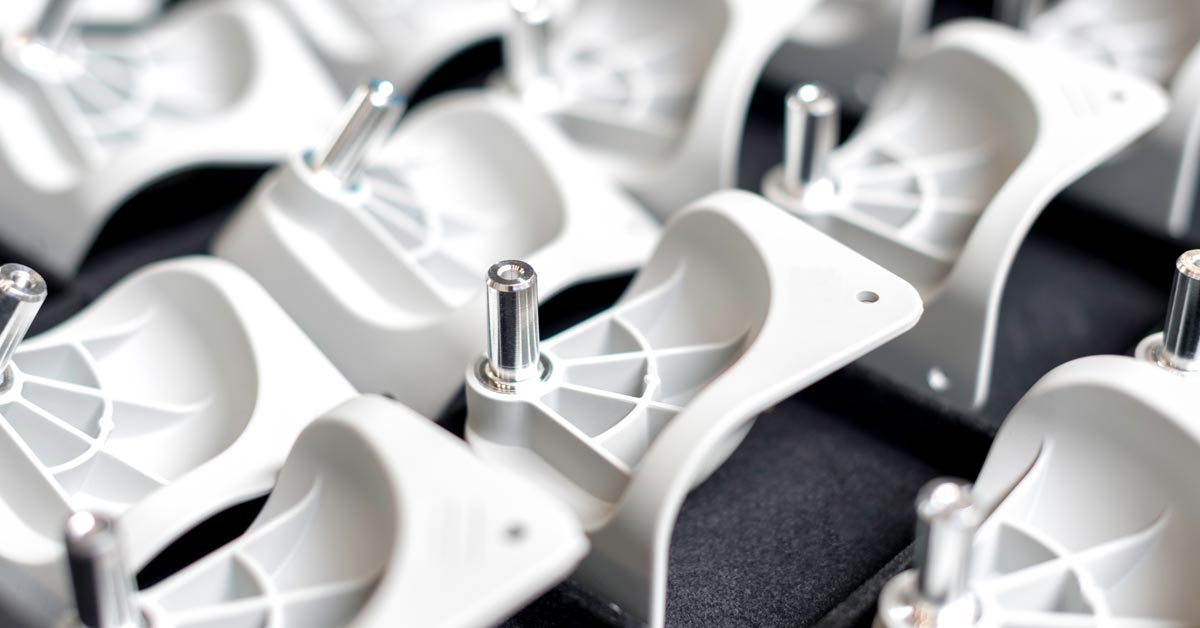
[Infographic] 9 boss design tips for plastic parts
Bosses are protruding features on parts. They are frequently used as a point of attachment or assembly. Often, they are designed as cylindrical projections with holes that are designed to accept screws, threaded inserts or other types of fastening hardware. Because bosses are often subjected to loadings not encountered in other sections of a component,…

[Infographic] How Plastic Injection Molders Achieve Uniform Wall Thickness
If you look closely at any plastic injection-molded product — be it a toothbrush holder, electric razor housing, or phone case — you’ll notice how their walls are all relatively uniform. Achieving uniform wall thickness is one of the fundamental concepts of plastic injection molding. Ignoring it can result in sinking, warping, and even dysfunctional…
Page 11 of 17
