
Page 10 of 17
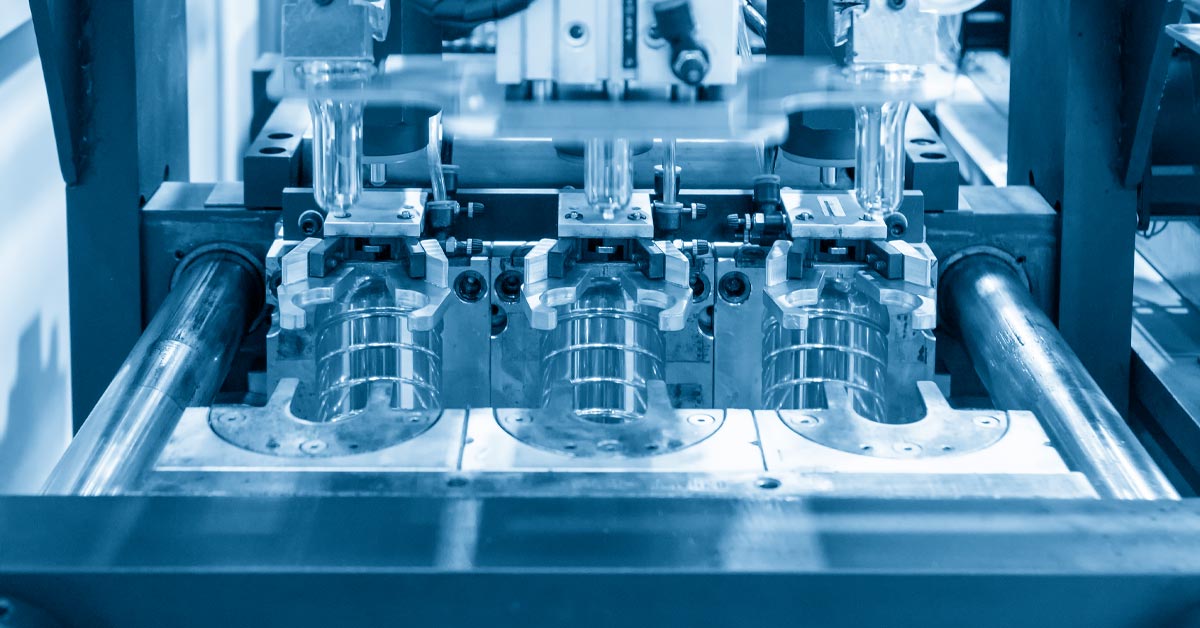
8 reasons why plastic injection molding is the best way to produce your parts
Plastic injection molding provides a repeatable, high-quality and consistent way to produce parts. It offers significant advantages compared to other types of manufacturing. Ongoing improvements to the injection molding process set this technique apart from other manufacturing processes. In recent years, scientific injection molding (SIM) has transformed it from a mechanical and physical process into…

[Infographic] Evaluating part failure in injection-molded components
Quality issues with your injection molded plastic parts can slow down production runs, waste materials, and ultimately leave you with a sub-par product. Assuming that there are no design flaws, however, a systematic approach to identify and resolve part complications can enhance your processes and improve the quality of finished products. A range of factors,…

Overview of 3D Printing and injection molding
In the age of rapid technological advancement, the manufacturing process that seems to have garnered the most media attention in recent years is 3D printing. From its ability to recreate both ordinary and unique objects, to its potential to produce complex parts and pieces – and even a few controversies – 3D printing has dominated…

Cold Runner and Hot Runner Injection Molding: Benefits, Drawbacks, and Applications
The practice of plastic injection molding dates back to the late 19th century, and since that time, the process has evolved together with technology to become the fundamental manufacturing process it is today. But despite the evolution and transformation of injection molding over time, its foundation remains mostly the same, with two primary categories of…

Mold flow analysis: A primer and key benefits for manufacturers
Mold flow analysis (MFA) is a process whereby the injection cycle is simulated, and the results are analyzed using specialized software. A vitally important step in any large-scale manufacturing process, mold flow analysis can help the manufacturer and molder to optimize the design of the part and mold, improve part quality and enable cost-effective fabrication.…

Infographic: 4 Aspects to Eliminating Cosmetic Defects in Plastic Parts
Many different cosmetic defects can make plastic parts unsuitable for use. Weld lines, small scuff marks, and other issues may not detract from part performance, but consumers won’t want to purchase a product that has visible imperfections. Overcoming these cosmetic defects, then, is just as important as dealing with other issues.

A Compelling Case Against Offshoring: Buying Overseas and the Impact on Your Business
In businesses and industries nationwide, the decision to offshore manufacturing processes is common. Plastic injection molding is certainly no exception. While many believe that offshoring is the best way to cut costs, the savings may come at the expense of quality if not done carefully; ultimately costing a business more.

Perfecting Your Product: How to Prevent the Most Common Defects in Plastic
Like most processes, plastic injection molding is not without its challenges. Producing injection-molded parts requires both attention to detail and technical expertise to prevent defects and other costly mistakes that can equate to significant losses and delays for manufacturers.This post will examine some of the most common plastic defects that occur in the molding process,…

Current Trends in Mold Filling Simulations: A Brief Explanation
Mold filling simulations are no longer to solve production problems; today, these simulations can be used on early design, verification, optimization of the part, mold development, and in design and manufacturing processes. Mold filling technology has seen clear growth and many recent advancements, and now more than ever it can help you improve your production.…
Page 10 of 17
