


Scientific Injection Molding Services
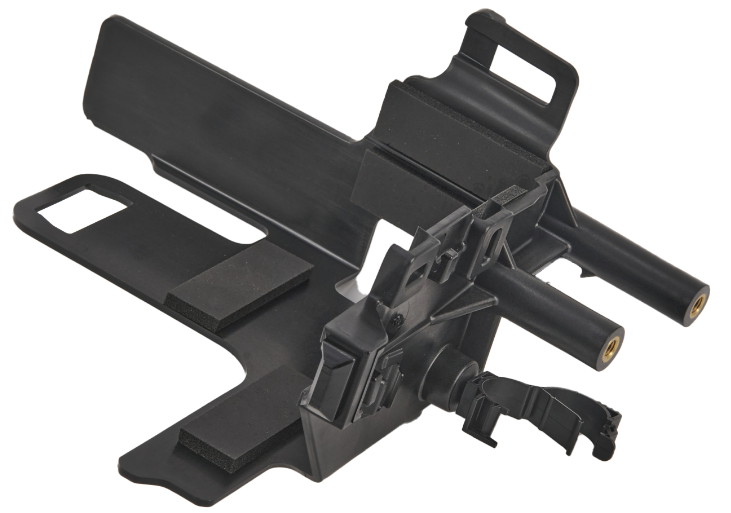
New Berlin Plastics provides scientific injection molding (SIM) services that use real‑time polymer behavior data to develop stable, repeatable, and optimized molding processes. By replacing guesswork with data, we reduce variability, improve part quality, and deliver predictable outcomes from initial sampling through full‑scale production.
Scientific injection molding is a core part of how we mold precision plastic parts—and a key reason customers trust us with complex, high‑performance programs.
What is Scientific Injection Molding?
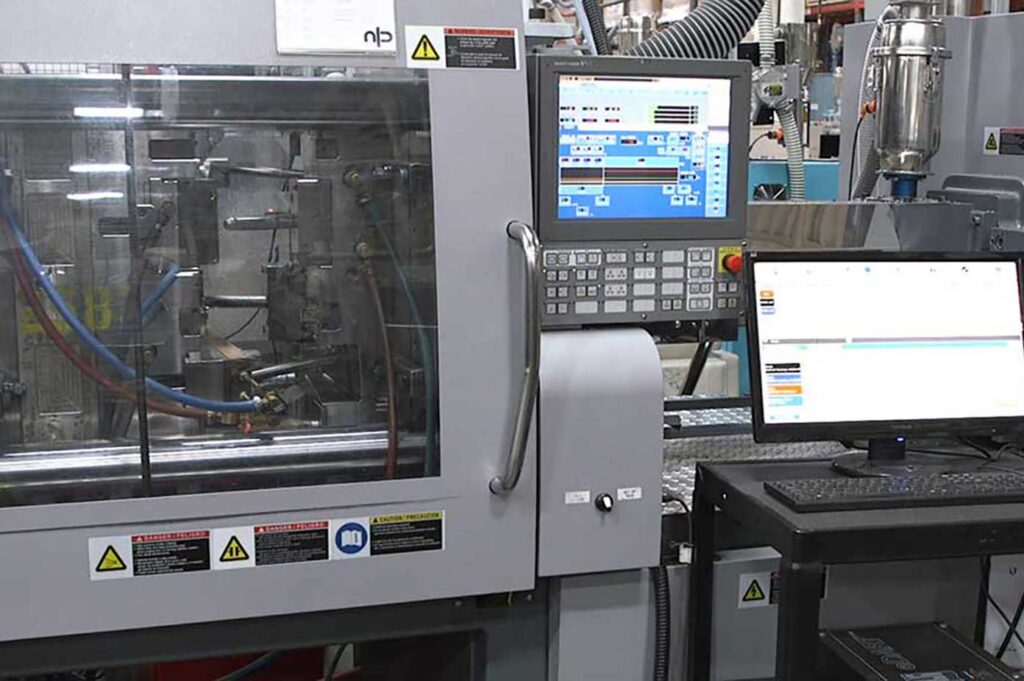
Scientific injection molding is a data‑driven approach to plastic injection molding that focuses on how the polymer behaves inside the mold, rather than relying solely on “tribal knowledge” like machine settings or operator experience.
Instead of adjusting parameters by trial and error, scientific injection molding uses measured data—such as melt behavior, pressure, and cooling dynamics—to define an optimized process window. The result is a molding process that is easier to validate, easier to repeat, and more resilient over the life of the program.
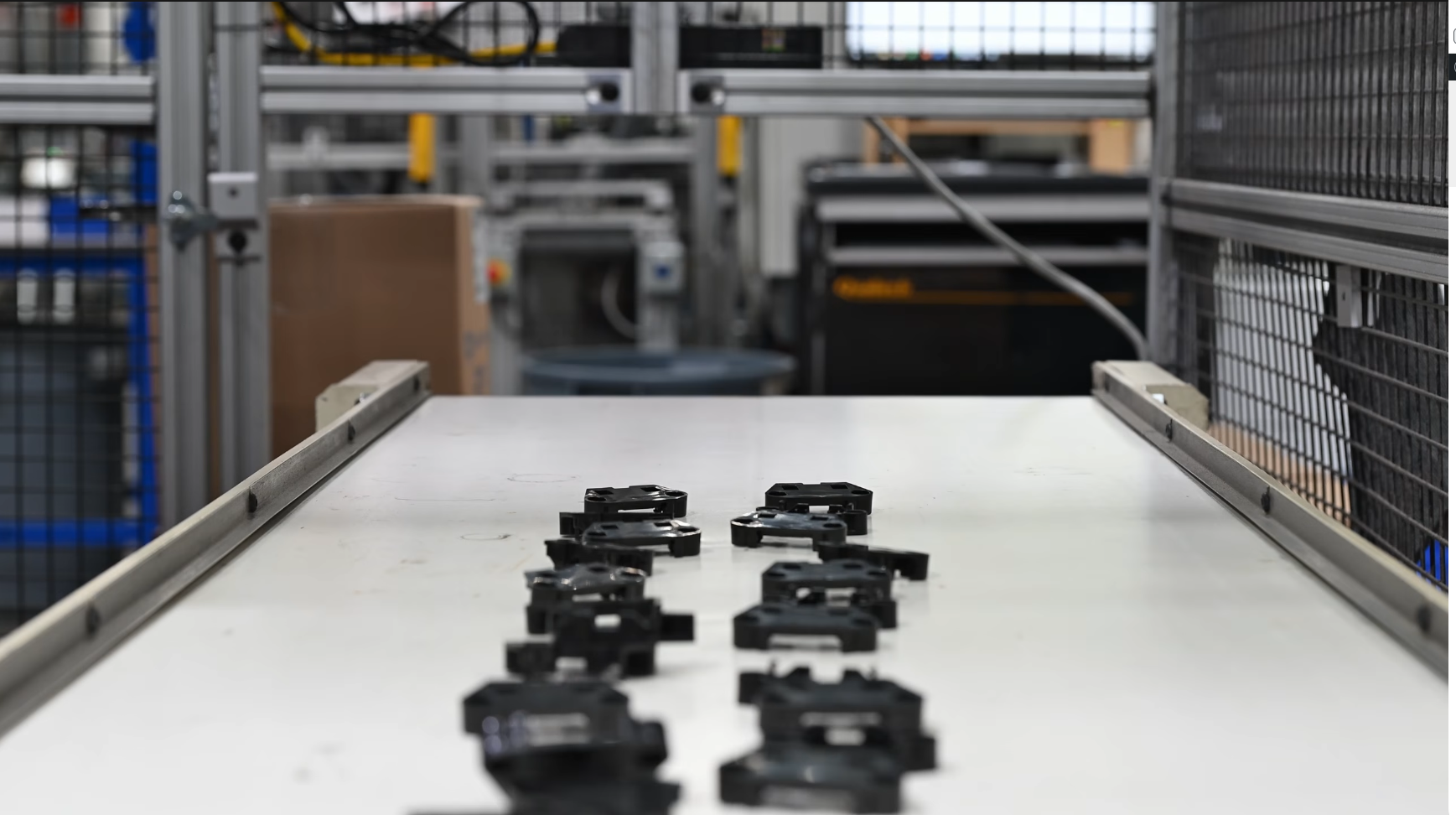
Key Benefits of Scientific Injection Molding for OEMs
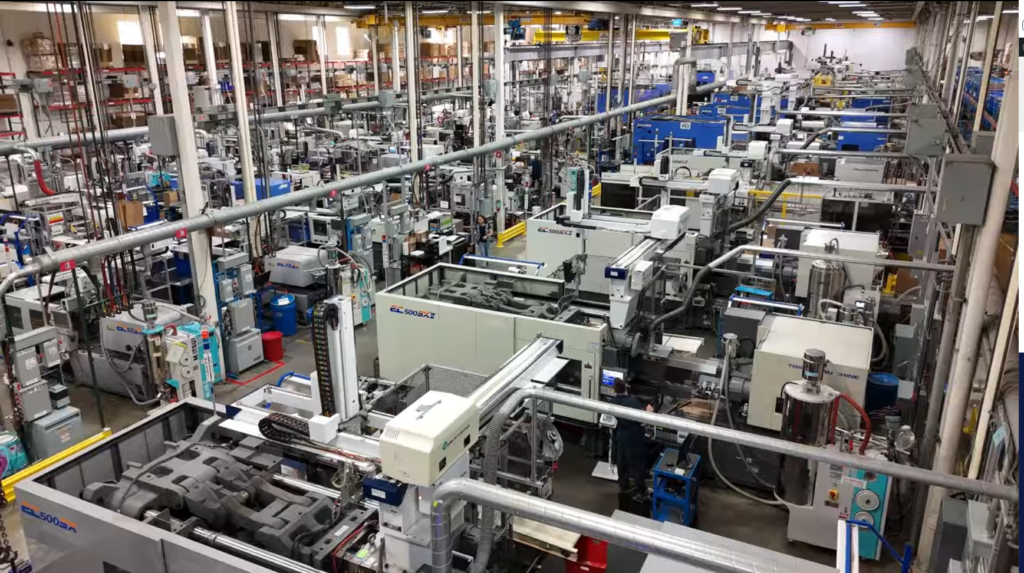
SIM delivers measurable benefits—especially for programs where consistency and reliability matter most.
- Improved part consistency: Reduced variation through defined, data‑driven process windows
- More predictable launches: Stronger sampling, validation, and PPAP support
- Lower scrap and setup time: Stable processes minimize rework and adjustments
- Better design decisions: Data‑backed design for manufacturability (DFM) insights reduce tooling and production risk
- Long‑term process stability: In‑process monitoring helps maintain performance over time
For OEMs, this means fewer quality issues, a lower total cost of ownership, and greater confidence as production scales.
How We Apply Scientific Injection Molding
At New Berlin Plastics, scientific injection molding is not a standalone technique—it is fully integrated into our tooling strategy, process development, and production systems.
We apply SIM principles throughout the lifecycle of a project, including:
- Design for manufacturability (DFM): Data-driven feedback during part development to improve moldability, reduce variation, and support long-term process stability.
- Tool design and validation: Mold designs informed by mold flow analysis, polymer characteristics, and best practices to support balanced filling, effective cooling, and consistent part quality.
- Material selection: Evaluation of candidate materials based on processing behavior, performance requirements, and end-use conditions, not just datasheet values.
- Process development and optimization: Establishing a robust process window that accounts for polymer behavior, rather than narrow machine settings, improving repeatability across presses and production runs.
- In-process monitoring: Use of real-time data to identify deviations early and correct them before they impact part quality or throughput.
This integrated approach supports smoother launches, more consistent parts, and fewer downstream surprises.
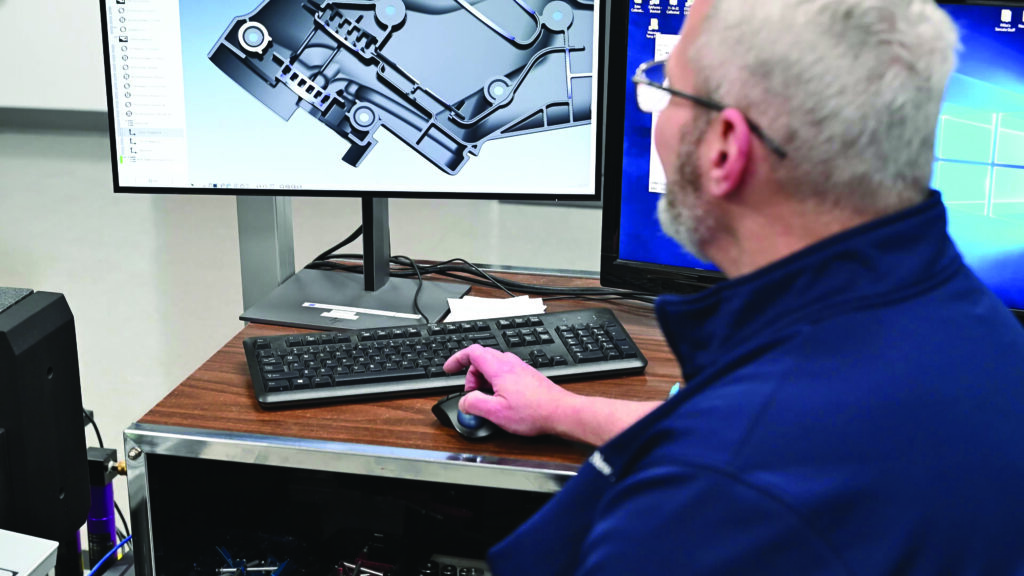
A Data‑Driven Approach to Predictable Results
Scientific injection molding is a key part of New Berlin Plastics’ commitment to continuous improvement and reliable manufacturing. By combining data, process discipline, and in‑house expertise, we help you move from development to production with confidence—and stay there.
Our Commitment to Quality

Recent Articles
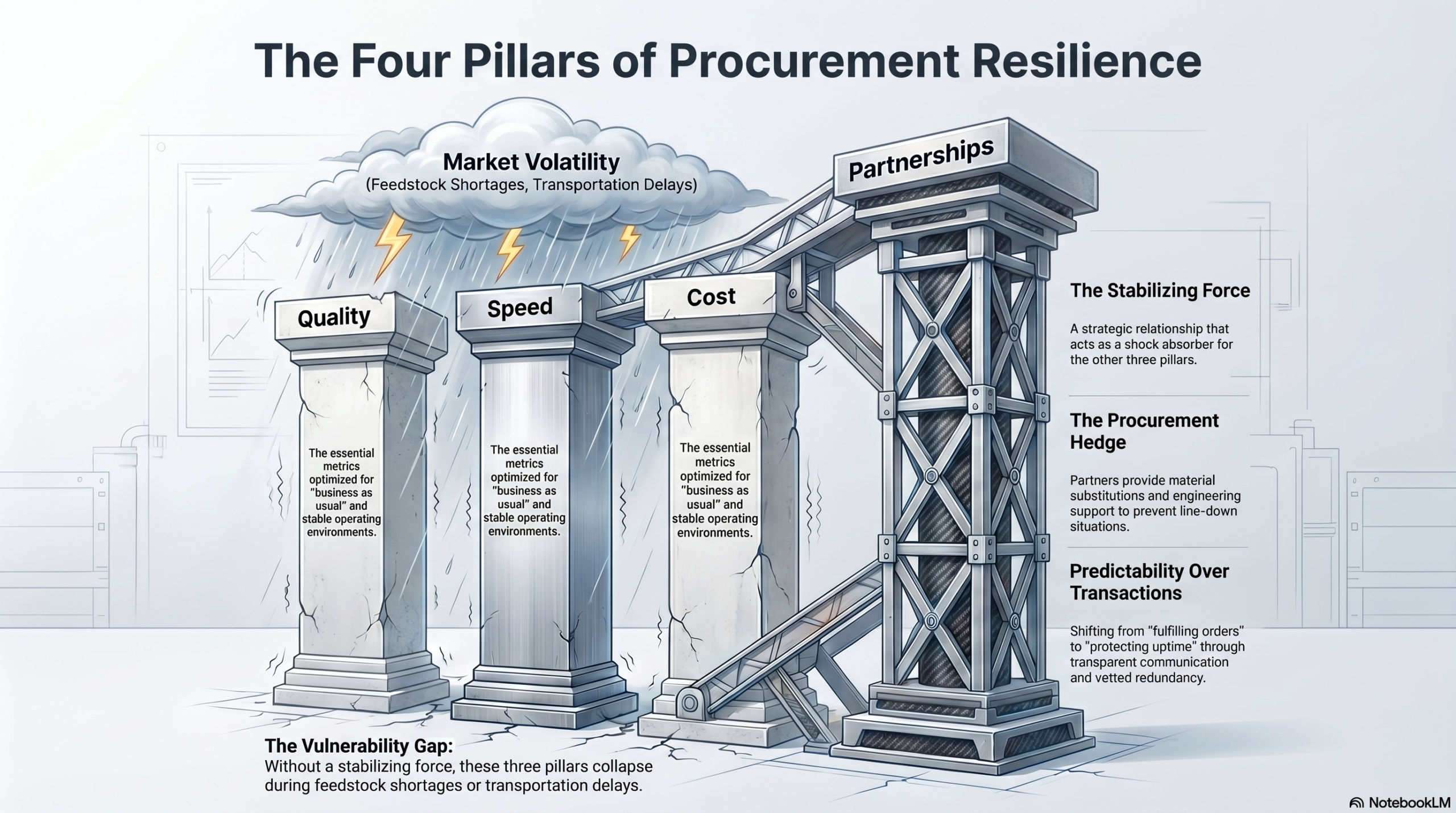
Podcast – Partnership is the 4th Pillar of Procurement
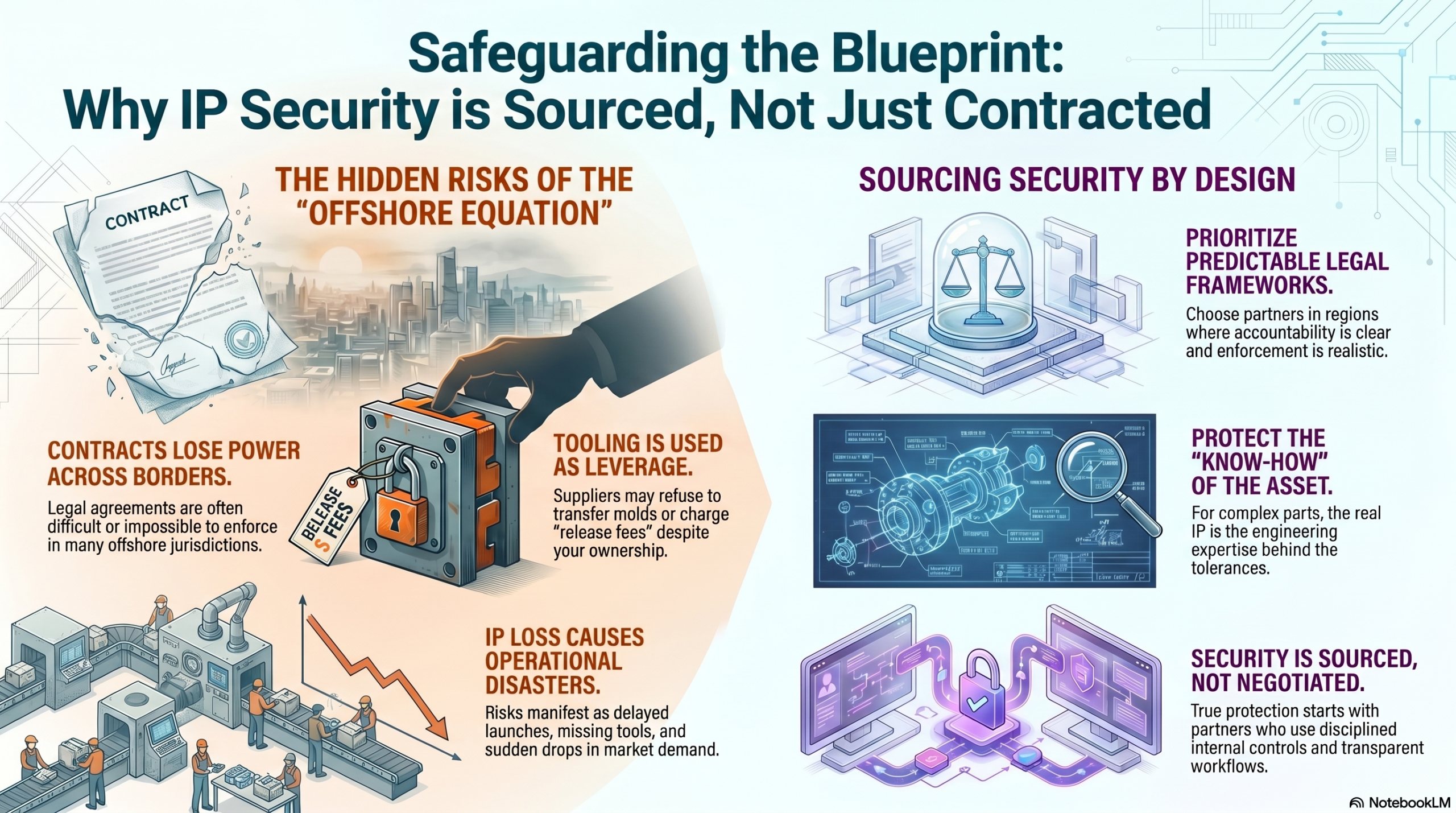
Podcast – Why Offshore Suppliers Hold Your IP Hostage
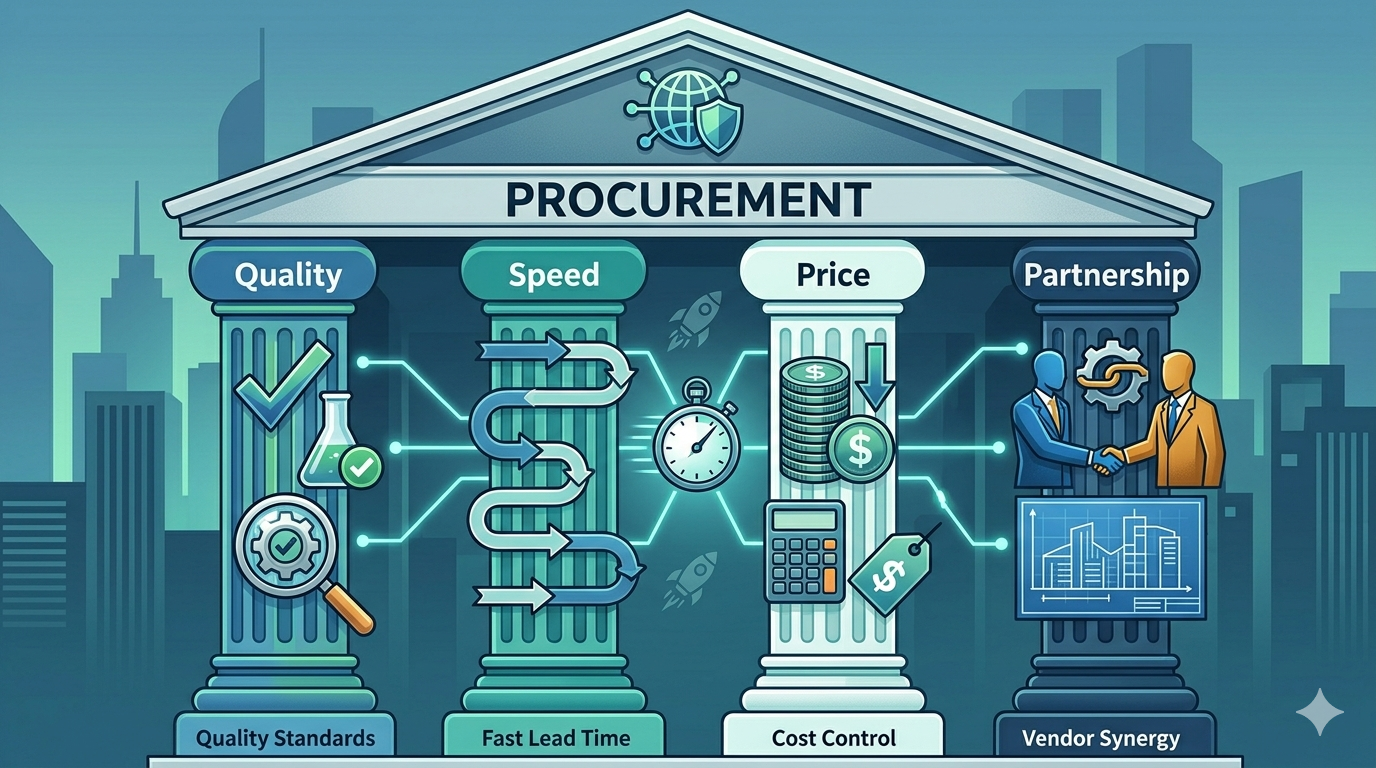
The Fourth Pillar: Why Procurement Partnerships Matter More Than Ever
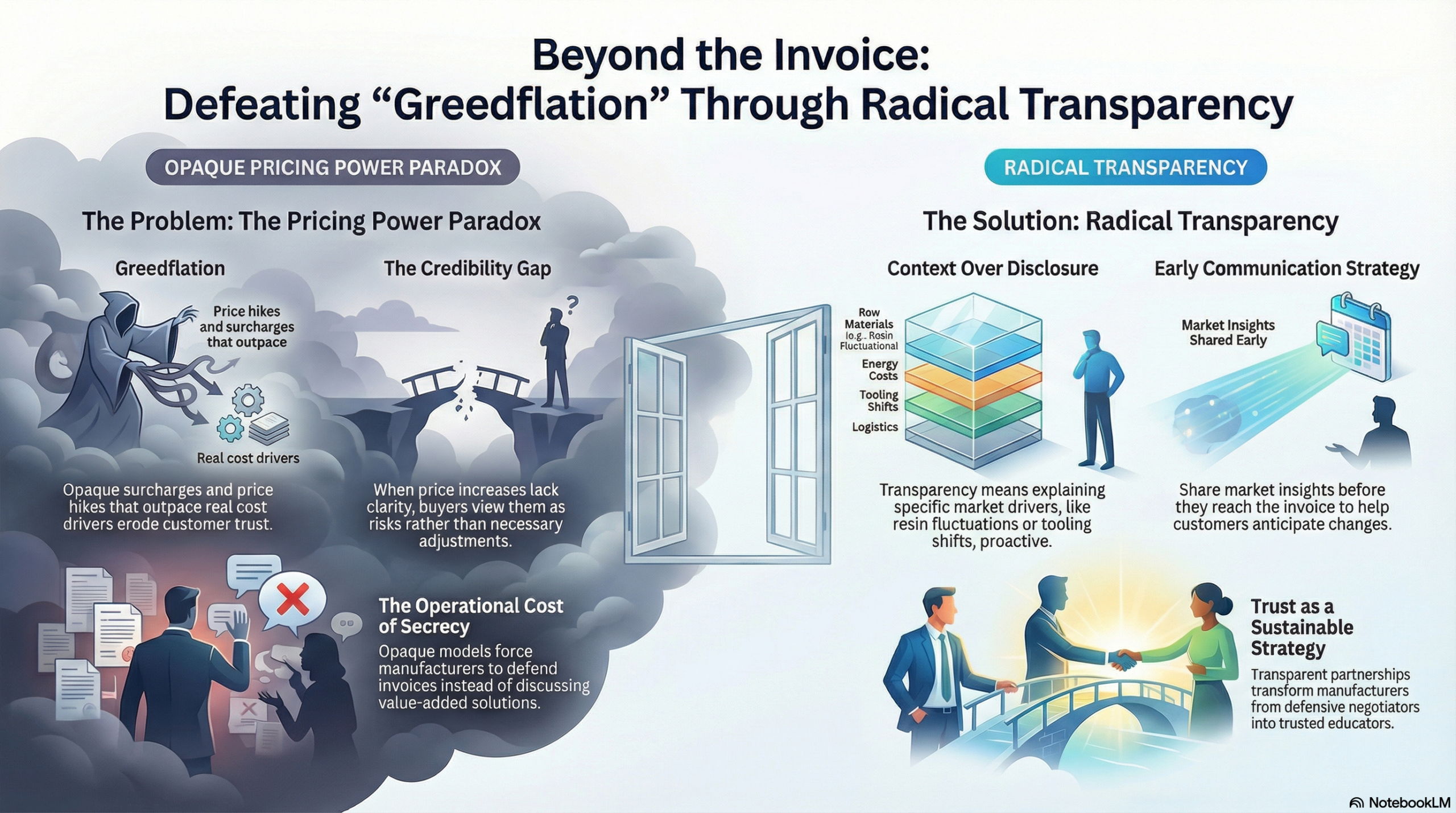
Podcast – Radical Transparency is the Greedflation Antidote
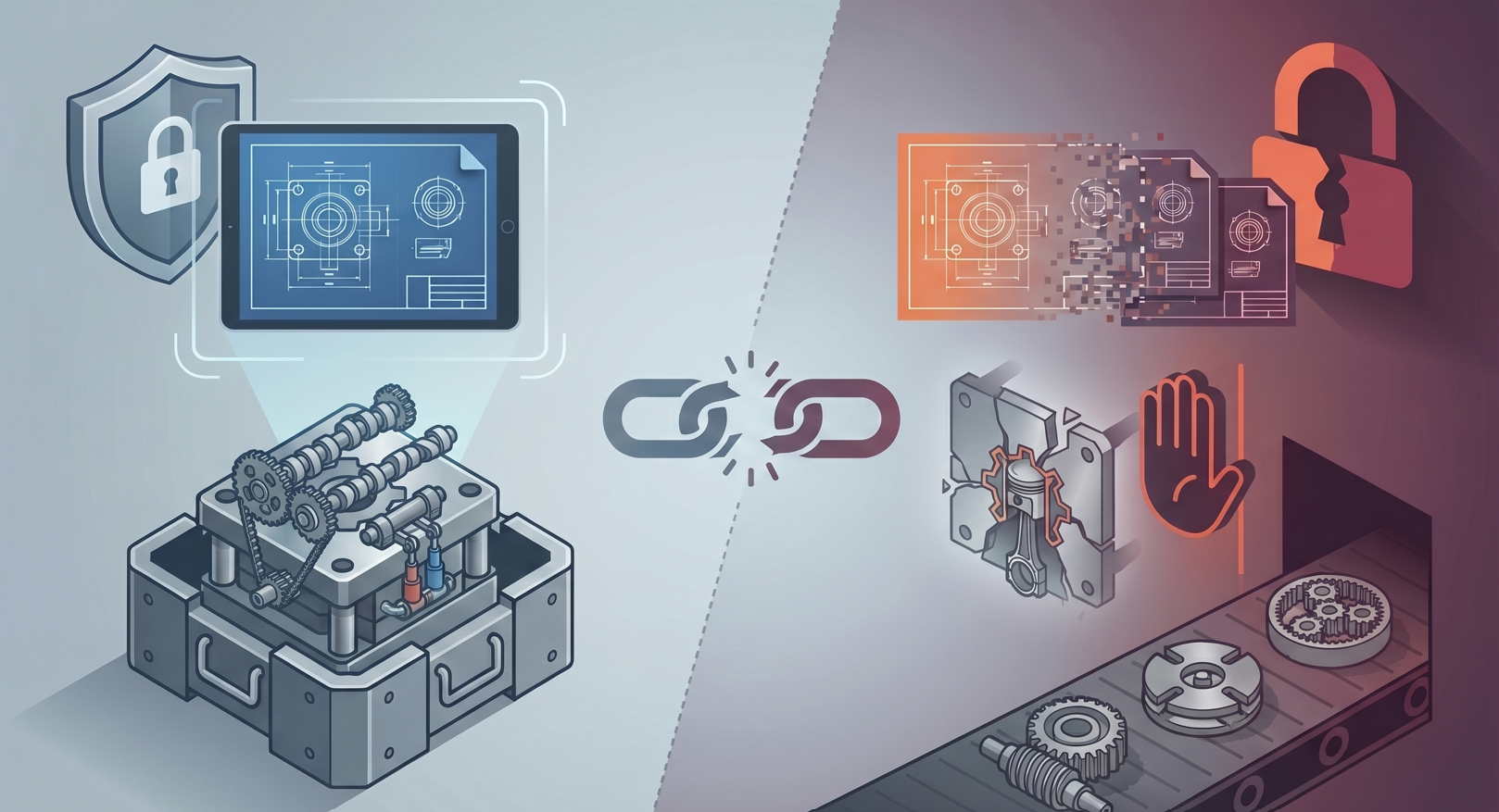
Safeguarding the Blueprint: Why Intellectual Property Security Is Sourced, Not Just Contracted
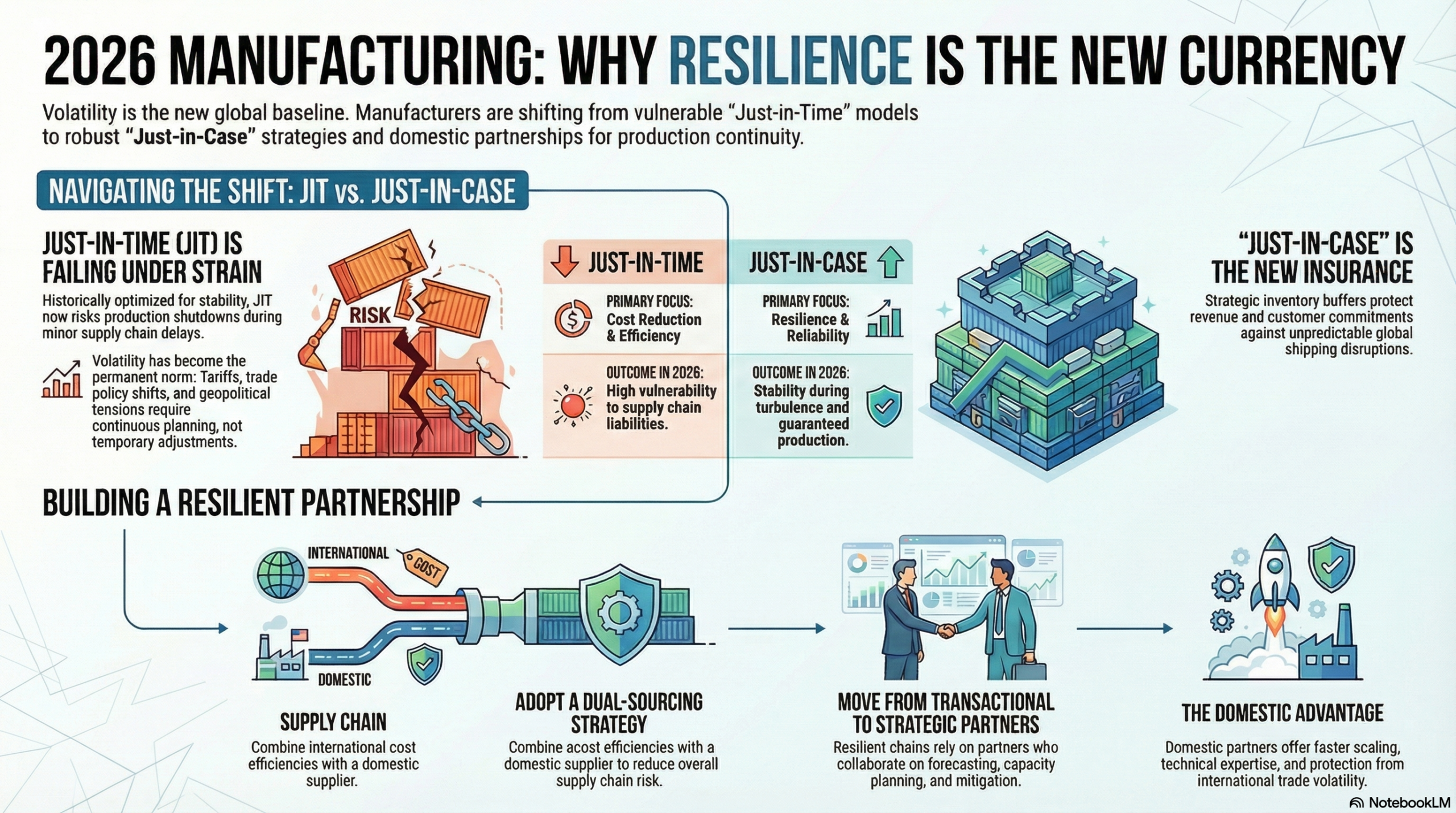
Podcast – Just in Case Replaces Just in Time

Beyond the Invoice: Defeating ‘Greedflation’ Through Radical Transparency
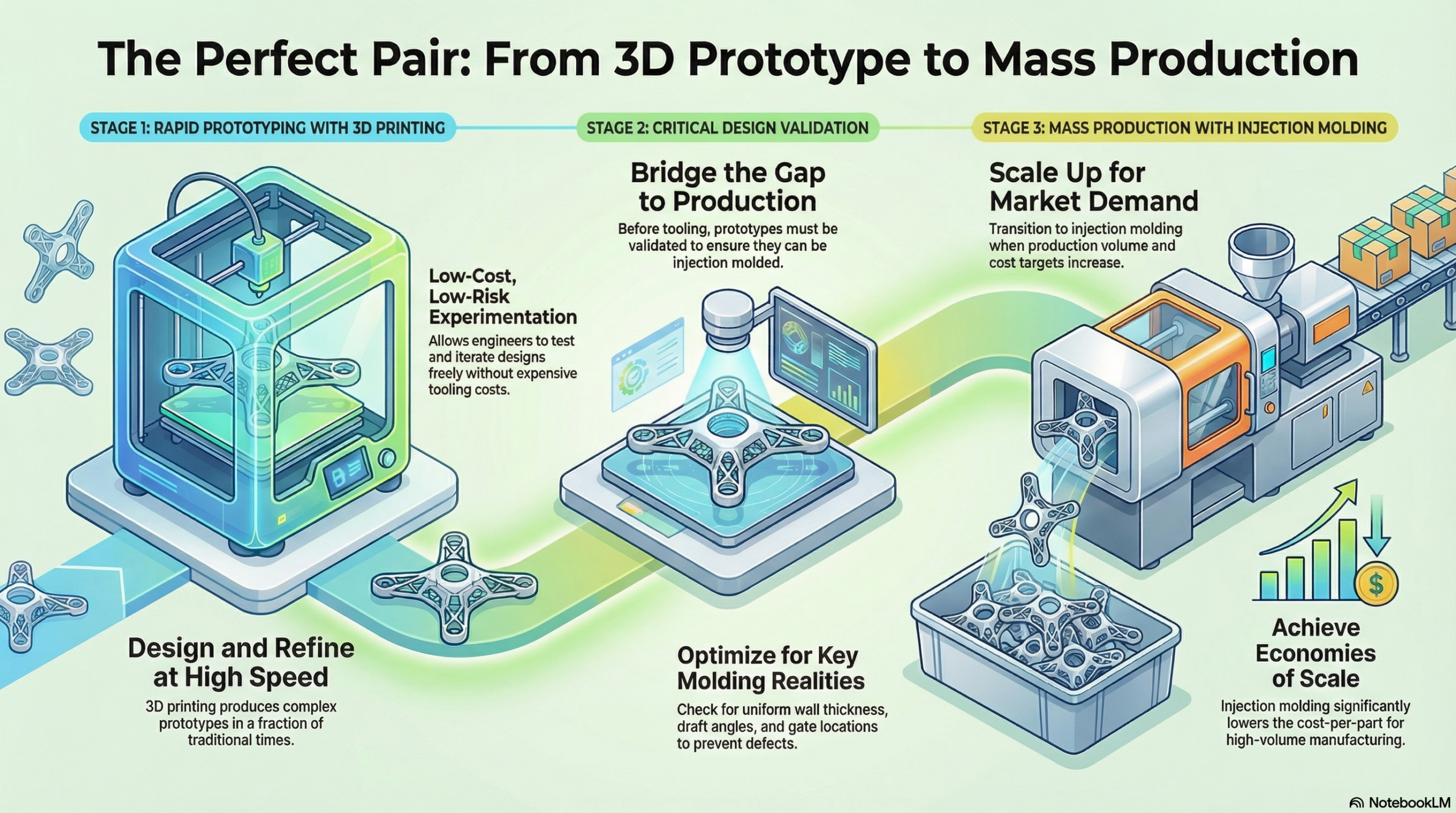
Podcast – Pairing 3D Print Prototyping With Injection Molding
Navigating the New Baseline: Why Resilience Is the 2026 Manufacturing Currency
Let’s Talk
If you’re looking for a partner who offers the benefits of scientific injection molding, we’re ready to help. Contact our team to discuss your specific requirements today.
"*" indicates required fields