


Mold Flow Analysis
for Plastic Injection Molding
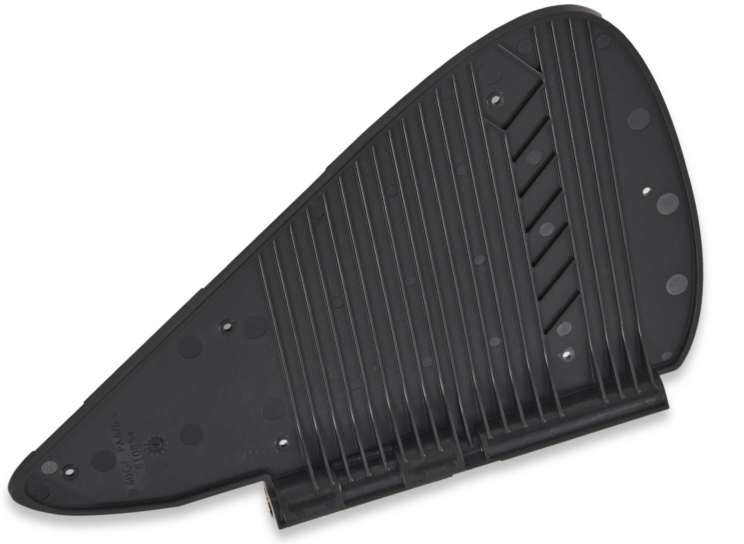
Designing a part for injection molding requires a deep understanding of how a material will behave during production. Without that insight, defects, delays, and costly tooling changes can occur. With New Berlin Plastics, we use mold flow analysis to predict how your part will perform before tooling is built—helping you reduce risk, improve quality, and move forward with confidence.
What is Mold Flow Analysis?
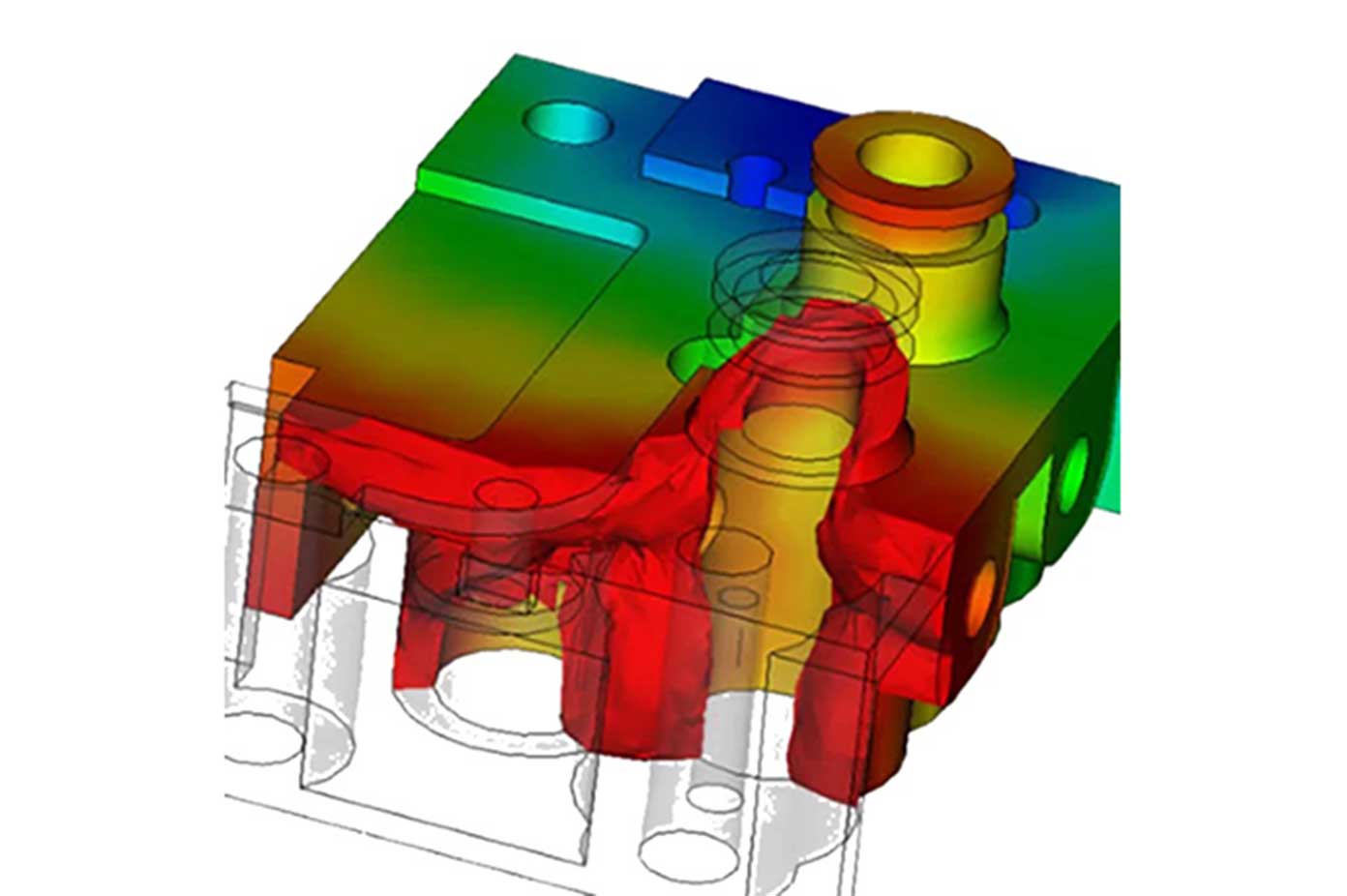
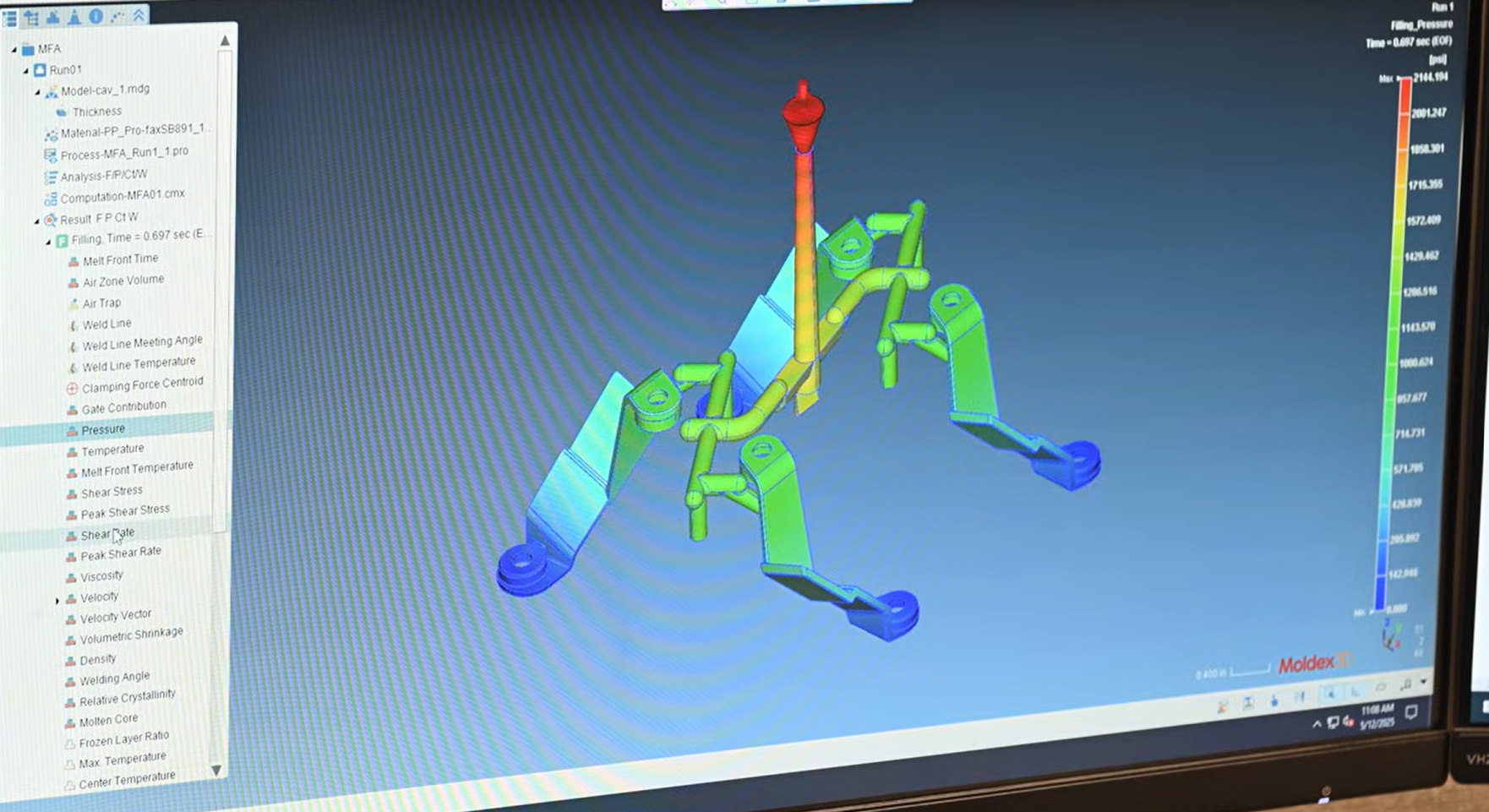
Mold flow analysis is a predictive engineering method used to evaluate how molten plastic behaves during the injection molding process. It uses digital mold flow simulation to model how material moves through a mold, cools, and forms the final part. By analyzing these interactions early, we can identify potential issues and refine designs—so parts can be produced more efficiently, consistently, and with fewer risks during production.
Why Mold Flow Analysis Matters
Without mold flow analysis, plastic injection molding relies more heavily on trial and error. This can lead to:
- Part defects, including air traps, weld lines, and warping
- Inconsistent material flow and incomplete filling
- Longer cycle times and inefficient production
- Costly tooling changes after the mold is built
A data-driven analysis process helps identify these issues early—when they are faster and less expensive to correct—reducing risk and improving overall project outcomes.
A More Thorough Approach
At New Berlin Plastics, mold flow analysis is integrated into every project. While some molders use mold flow simulation selectively, we apply it consistently to ensure every part design is validated before tooling begins. Our engineers use mold flow analysis to evaluate how your part will perform under real-world molding conditions, including:
- Flow uniformity: Ensuring consistent fill across the mold
- Pressure distribution: Identifying areas of excessive stress
- Air traps and weld lines: Predicting potential defects
- Gate and runner design: Optimizing material entry points
- Cooling behavior: Understanding shrinkage and warpage risk
PPAP Approval
How Mold Flow Analysis Benefits You
A structured mold flow analysis process delivers measurable advantages:
- Reduced tooling risk: Identify issues before mold construction
- Improved part quality: Minimize defects and variability
- Faster time to production: Avoid redesigns and delays
- Lower overall cost: Prevent expensive tooling changes and scrap
- Superior efficiency: Optimize cycle time and consistency
Our Commitment to Quality


The Company We Keep
Recent Articles
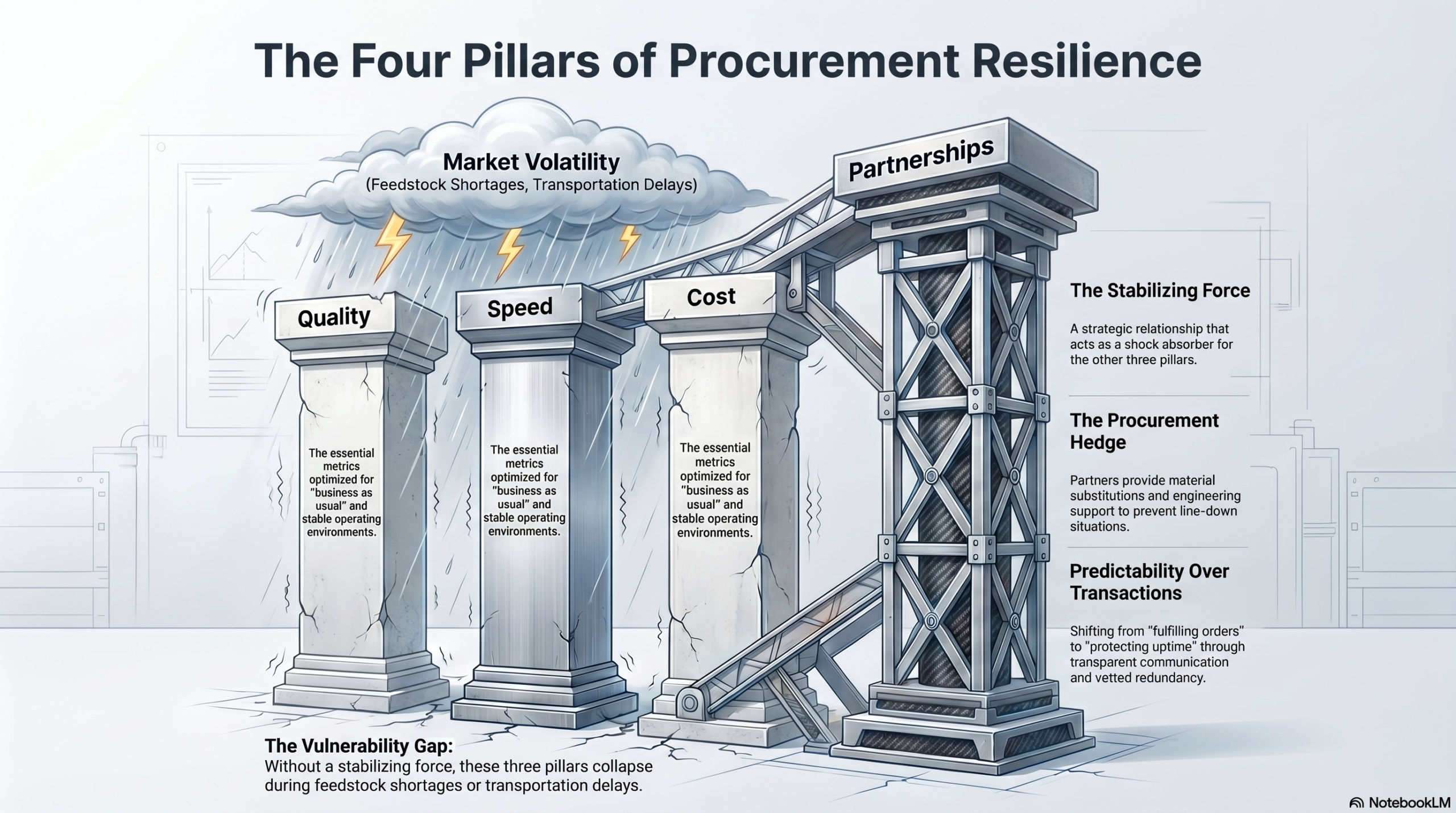
Podcast – Partnership is the 4th Pillar of Procurement

Podcast – Why Offshore Suppliers Hold Your IP Hostage
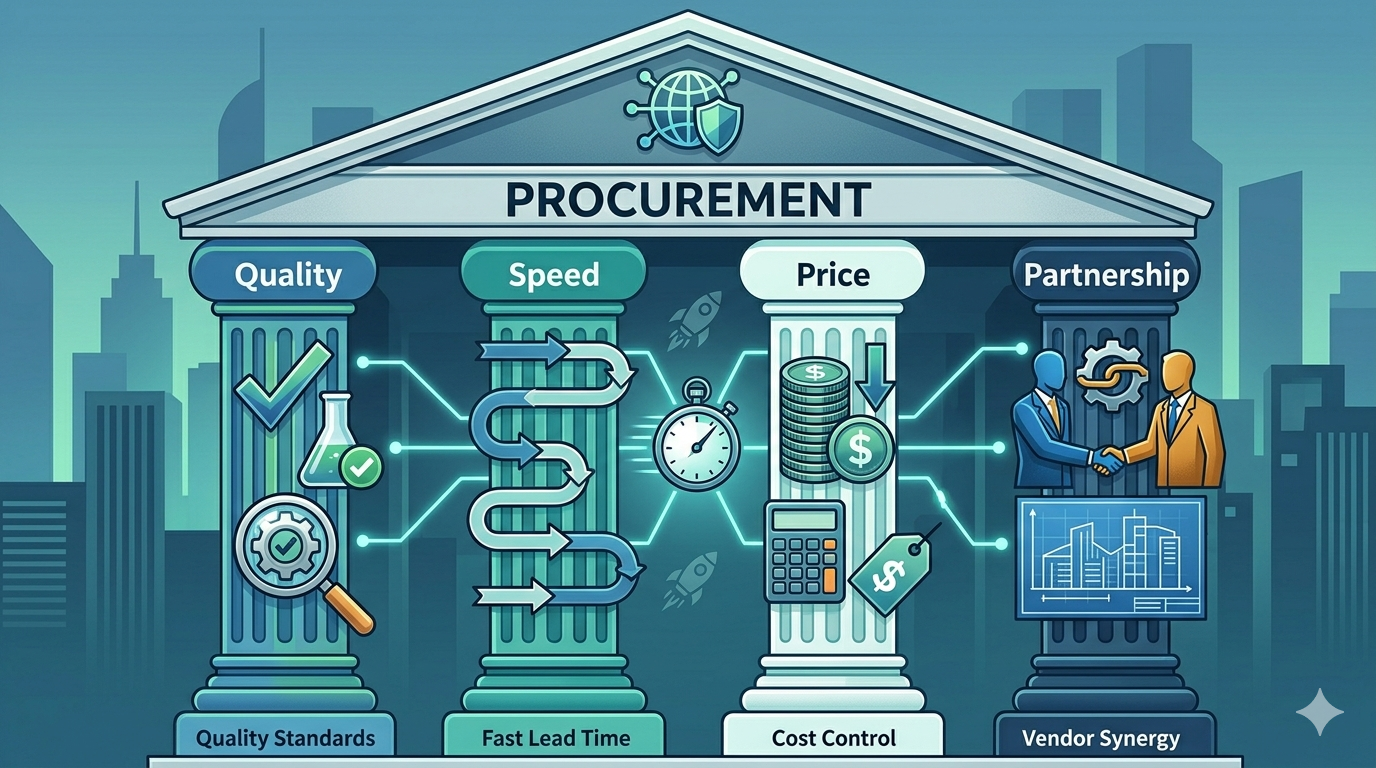
The Fourth Pillar: Why Procurement Partnerships Matter More Than Ever

Podcast – Radical Transparency is the Greedflation Antidote
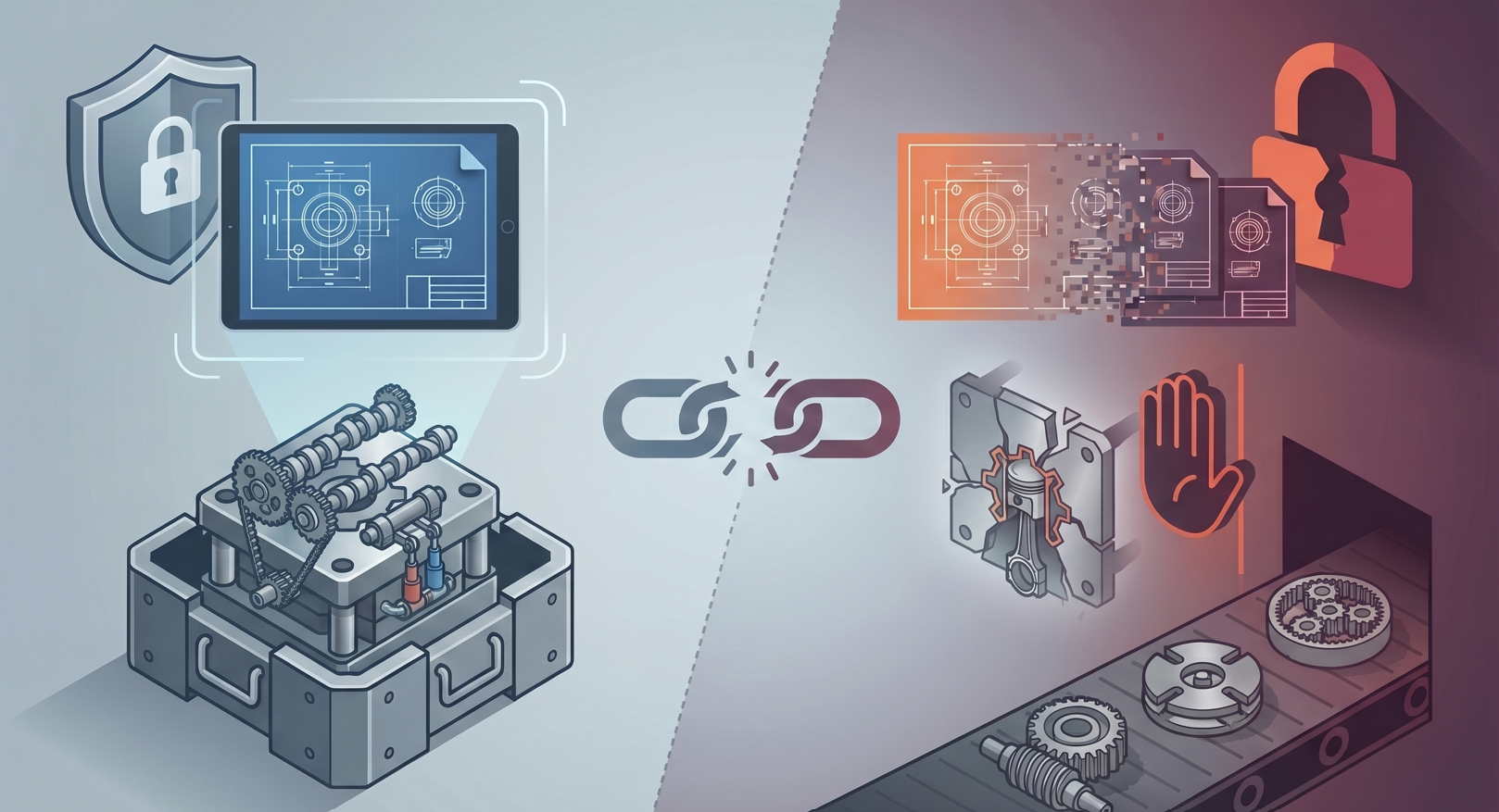
Safeguarding the Blueprint: Why Intellectual Property Security Is Sourced, Not Just Contracted
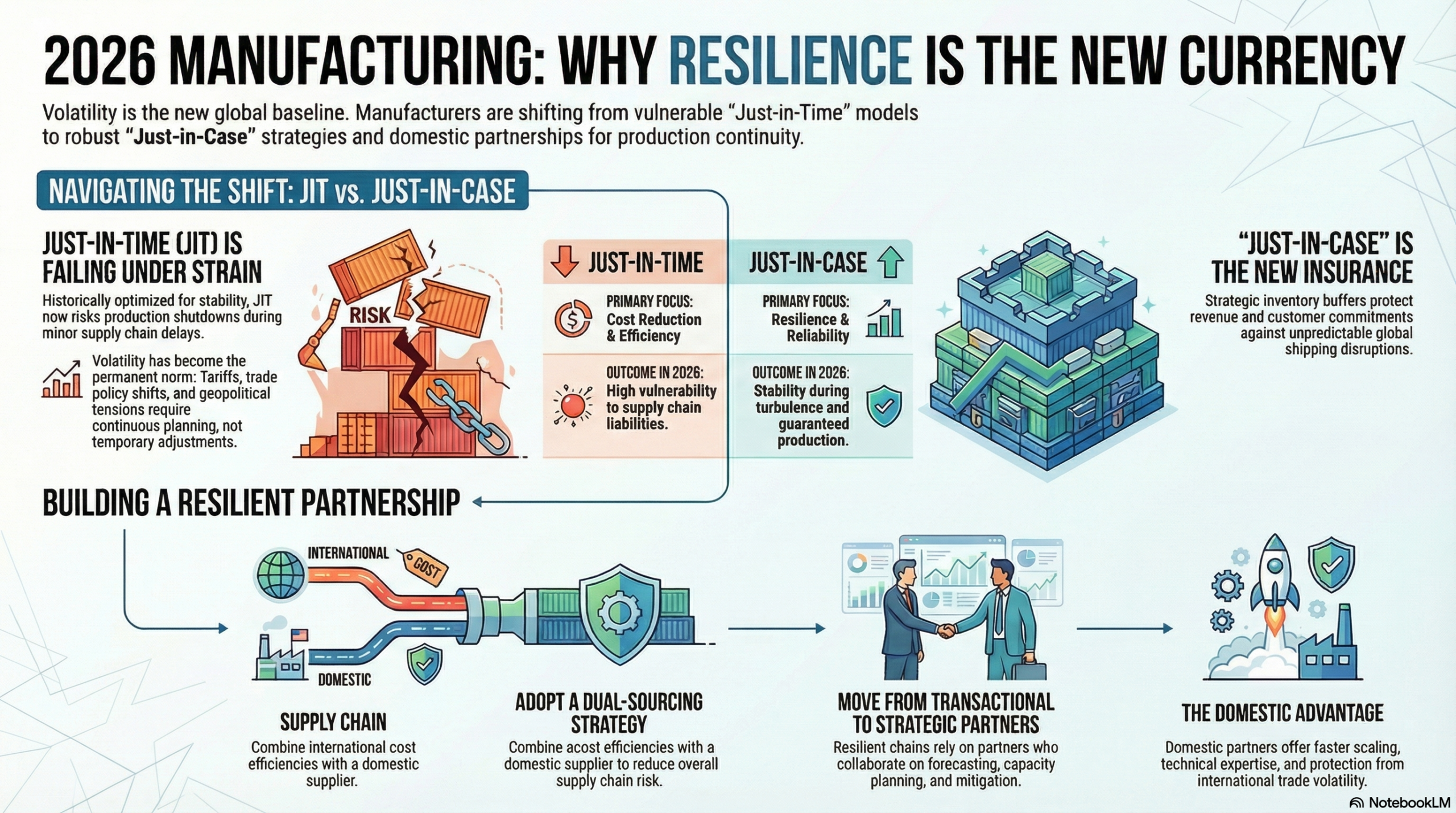
Podcast – Just in Case Replaces Just in Time

Beyond the Invoice: Defeating ‘Greedflation’ Through Radical Transparency
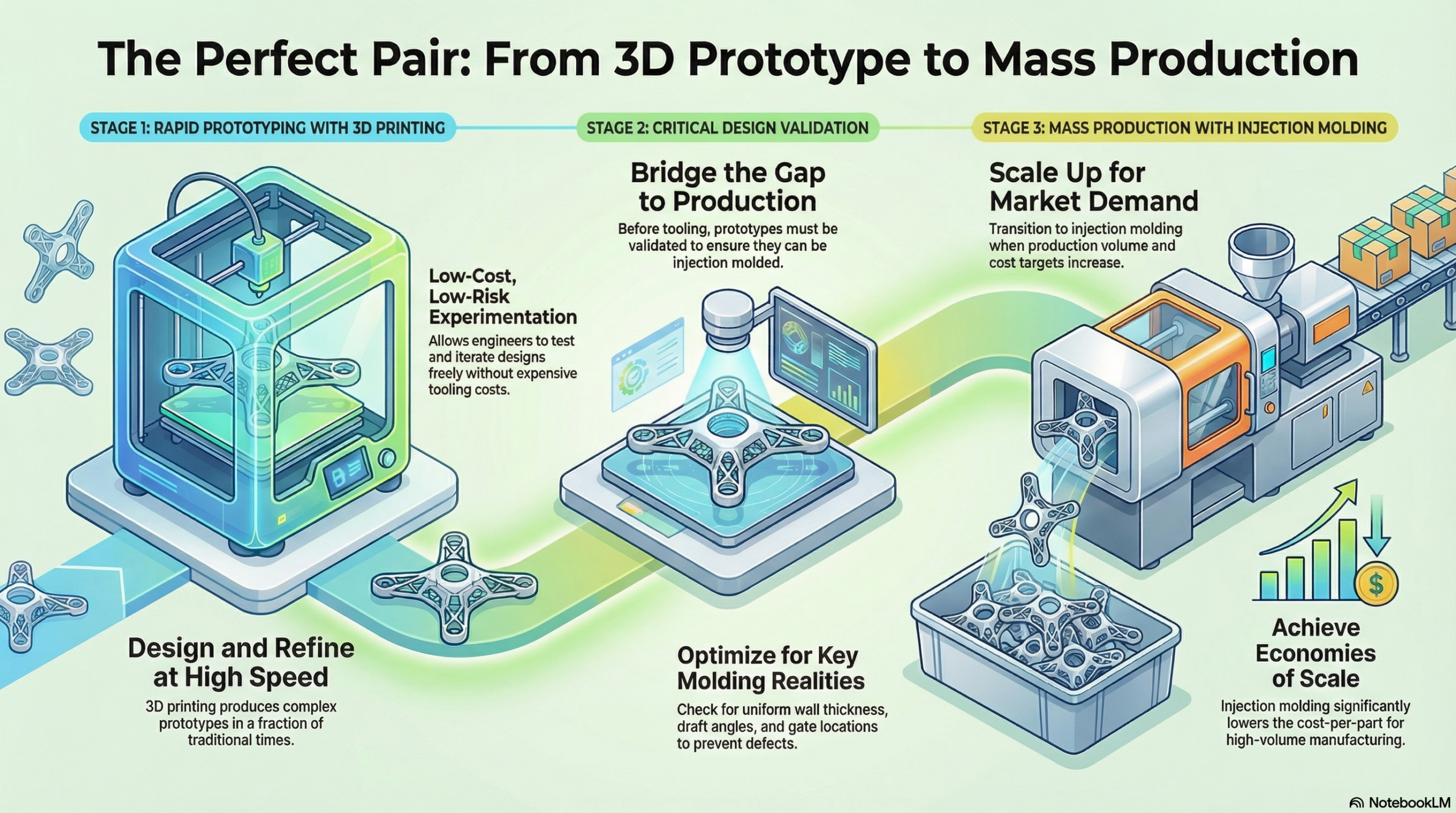
Podcast – Pairing 3D Print Prototyping With Injection Molding

Navigating the New Baseline: Why Resilience Is the 2026 Manufacturing Currency
Let’s Validate Your Design
If you want greater confidence in your part design and production process, New Berlin Plastics can help. Let’s connect to discuss how mold flow analysis can support your next project.
"*" indicates required fields