


Design for Manufacturability (DFM) for Injection Molding
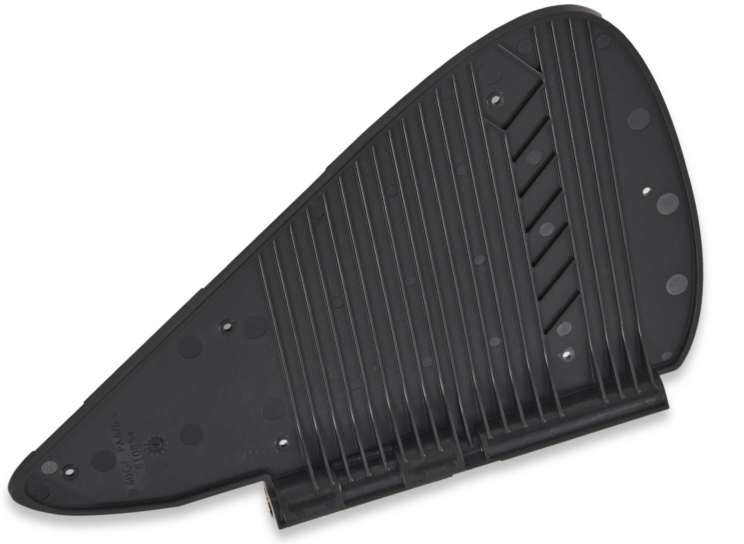
Designing a well-performing part is only half the challenge. Ensuring it can be manufactured efficiently and reliably is just as critical. With New Berlin Plastics, you benefit from design for manufacturability (DFM) support that helps identify risks, improve part design, and reduce cost before production begins. Without considering manufacturability early, even well-designed parts can lead to costly tooling changes, delays, and production issues.
What is Design for Manufacturability?
DFM for injection molding is the process of evaluating and optimizing a part’s design so it can be produced efficiently, consistently, and cost-effectively. It focuses on how part geometry, material behavior, and tooling design interact during molding—such as how plastic flows, cools, and is ejected from the mold. By analyzing these factors early, DFM ensures your part is not only functional, but also practical to manufacture at scale.

A Proactive Approach to Injection Molding DFM
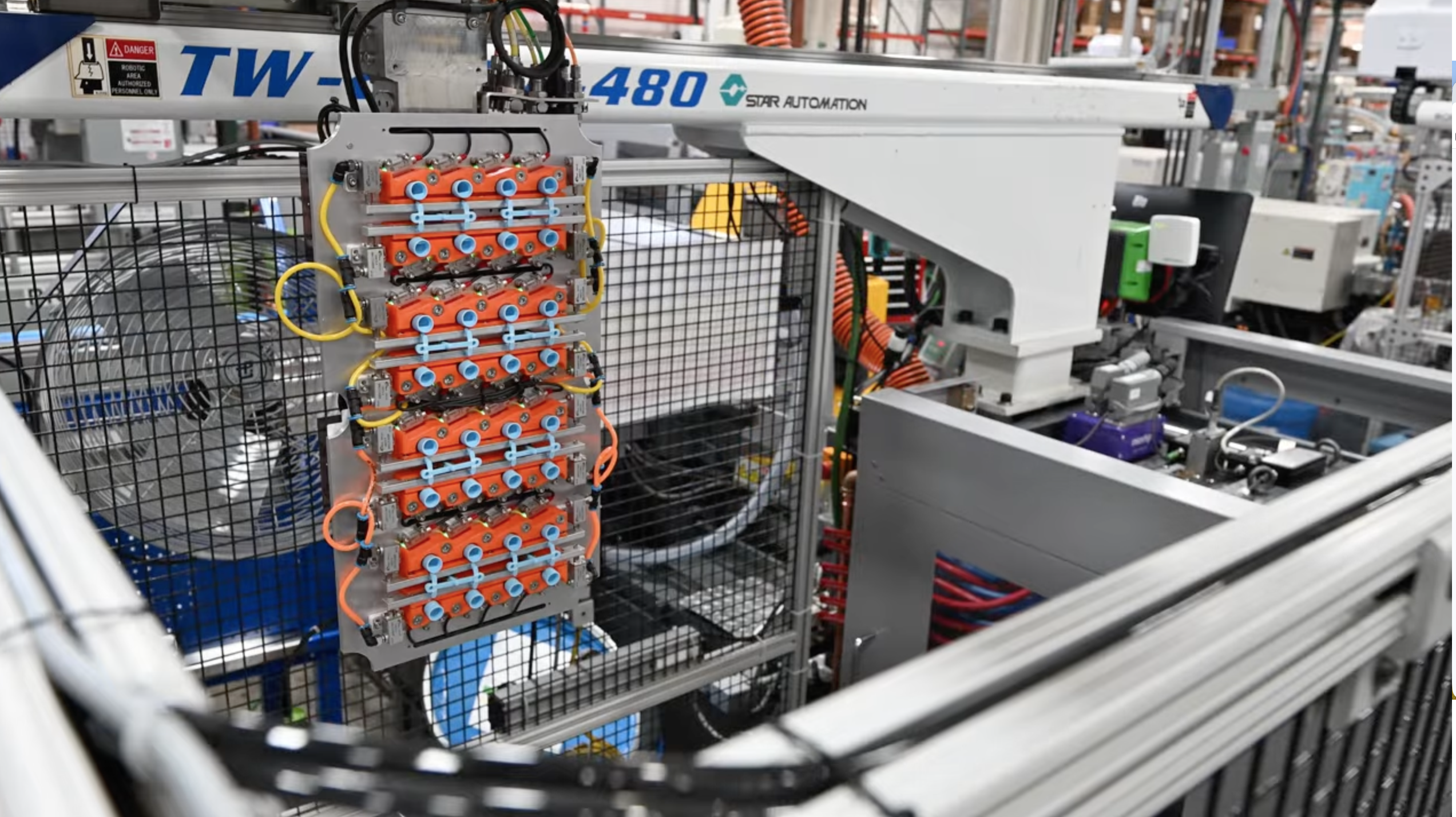
At New Berlin Plastics, DFM is a structured, engineering-driven process that evaluates your design before tooling is built—when changes are easier and more cost-effective to implement.
Our team focuses on identifying risks and opportunities to improve manufacturability, including:
- Understanding design intent and end-use application
- Identifying risks in part design, tooling, and material selection
- Recommending design improvements to reduce cost and improve performance
- Simplifying geometry to improve manufacturability
- Eliminating potential failure modes
This proactive approach helps ensure your design is aligned with real-world manufacturing requirements.
What We Evaluate in a DFM Analysis
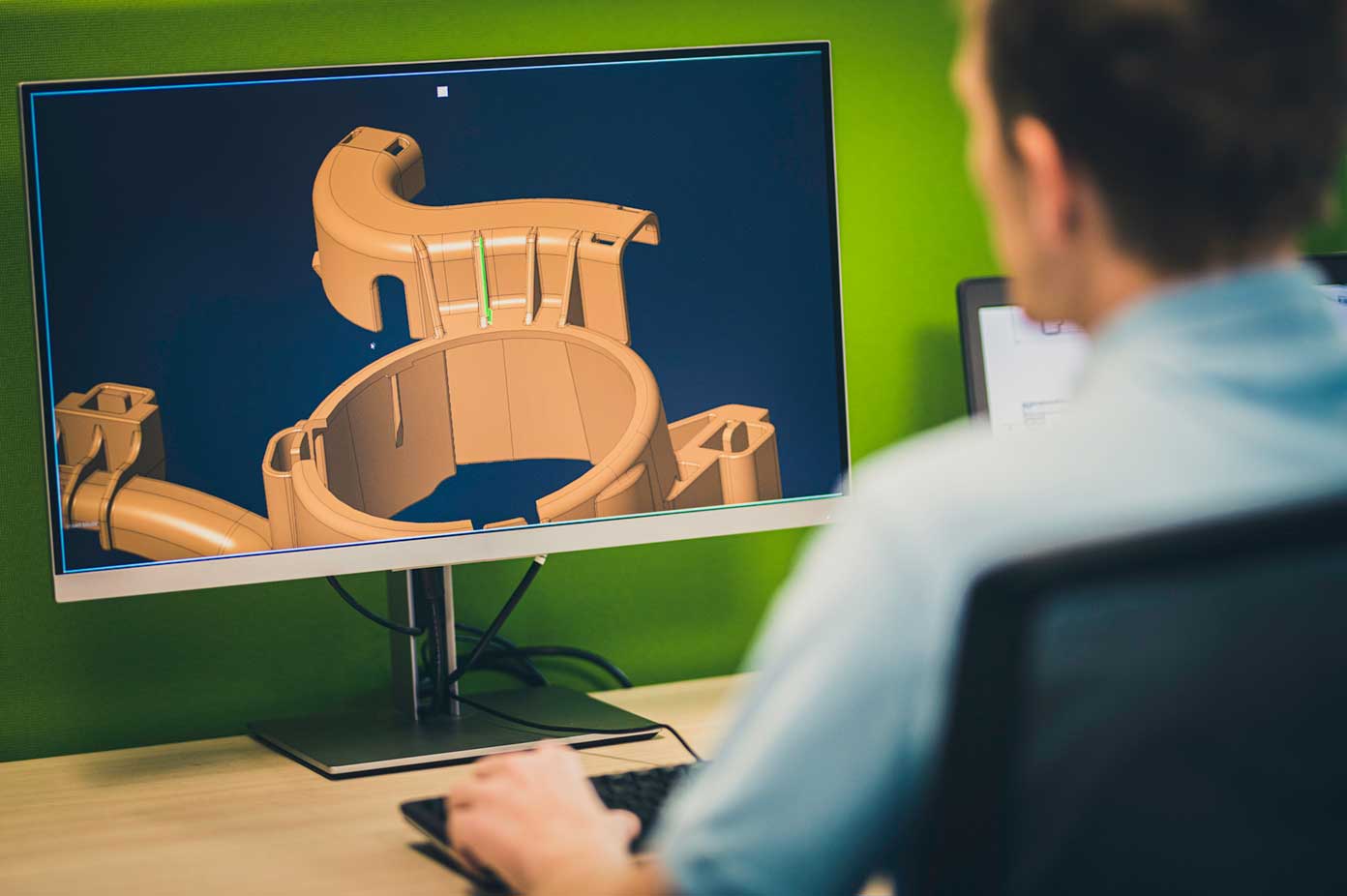
Our design for manufacturability process evaluates the factors that have the greatest impact on production performance:
- Part geometry: Wall thickness, draft angles, and overall complexity
- Tooling feasibility: Mold design considerations and limitations
- Material selection: Compatibility with design and application
- Tolerance requirements: Identifying over-tolerancing that drives cost
- Process efficiency: Opportunities to reduce cycle time and improve output
By evaluating these factors together, we help ensure your design is optimized for efficient production.
How DFM for Injection Molding Benefits You
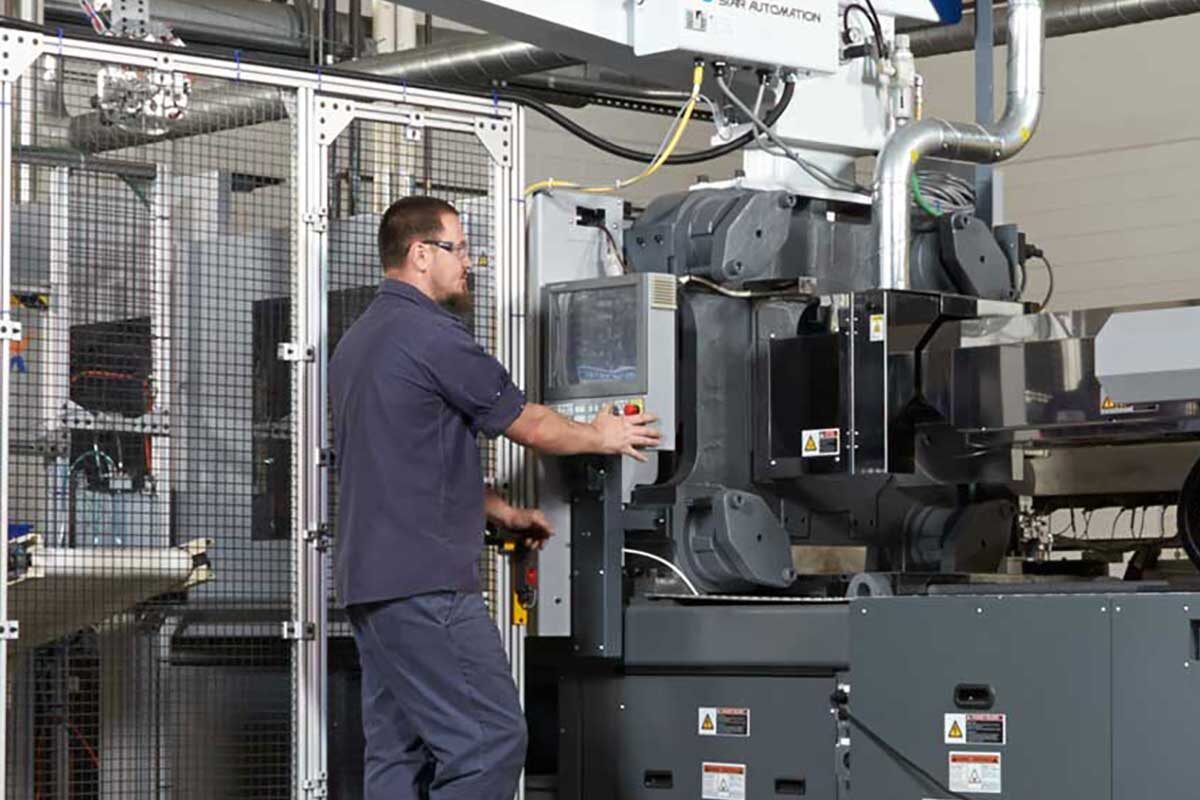
A structured injection molding DFM process delivers measurable improvements:
- Lower tooling and production costs: Simplify design and reduce complexity
- Improved part quality: Minimize defects and variability
- Faster time to production: Avoid delays and redesigns
- Reduced risk: Address potential issues before they impact production
- More efficient manufacturing: Optimize cycle time and material usage
DFM helps you get it right the first time, reducing the need for costly adjustments later in the project lifecycle.
Our Commitment to Quality


The Company We Keep
Recent Articles
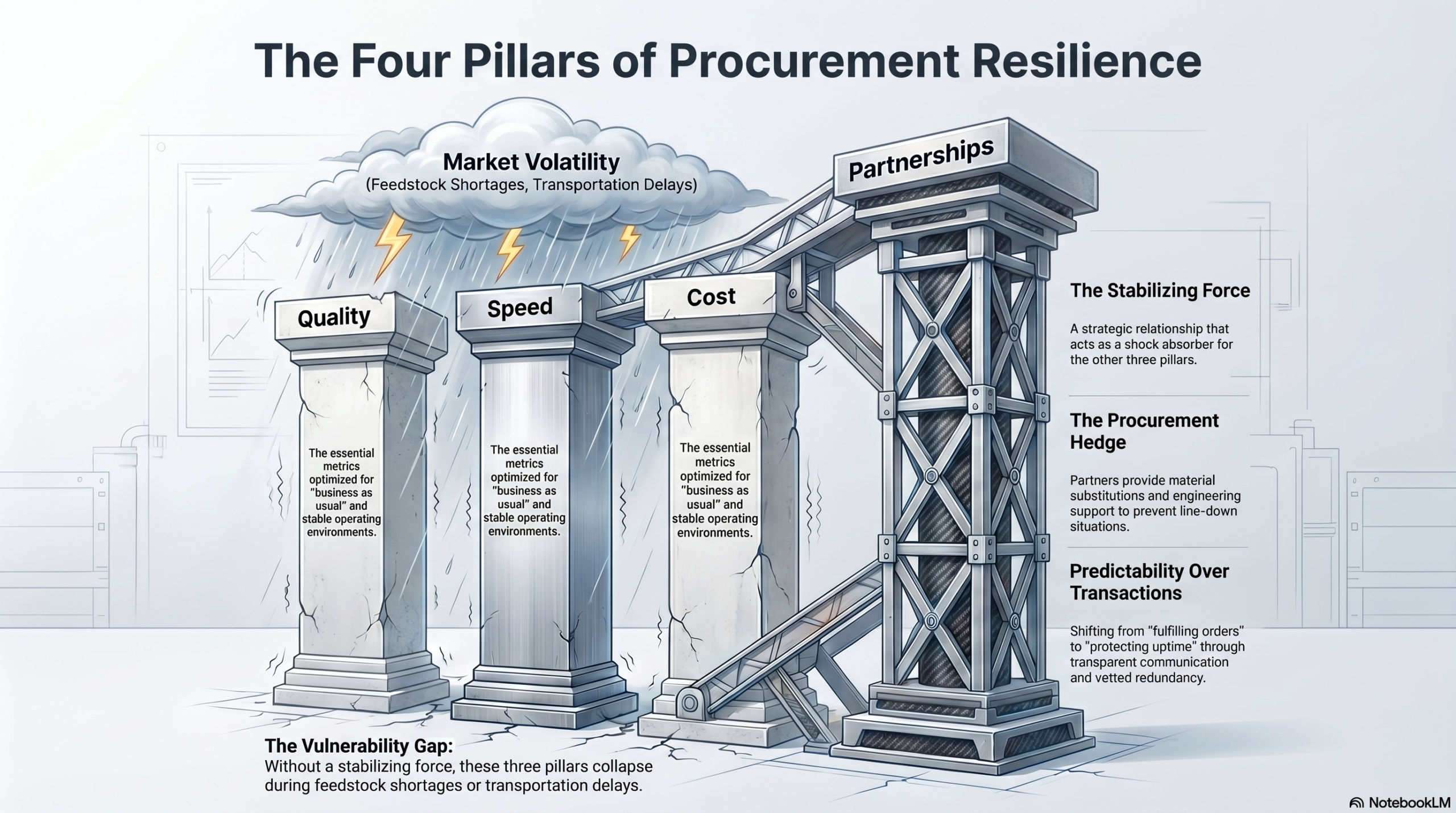
Podcast – Partnership is the 4th Pillar of Procurement
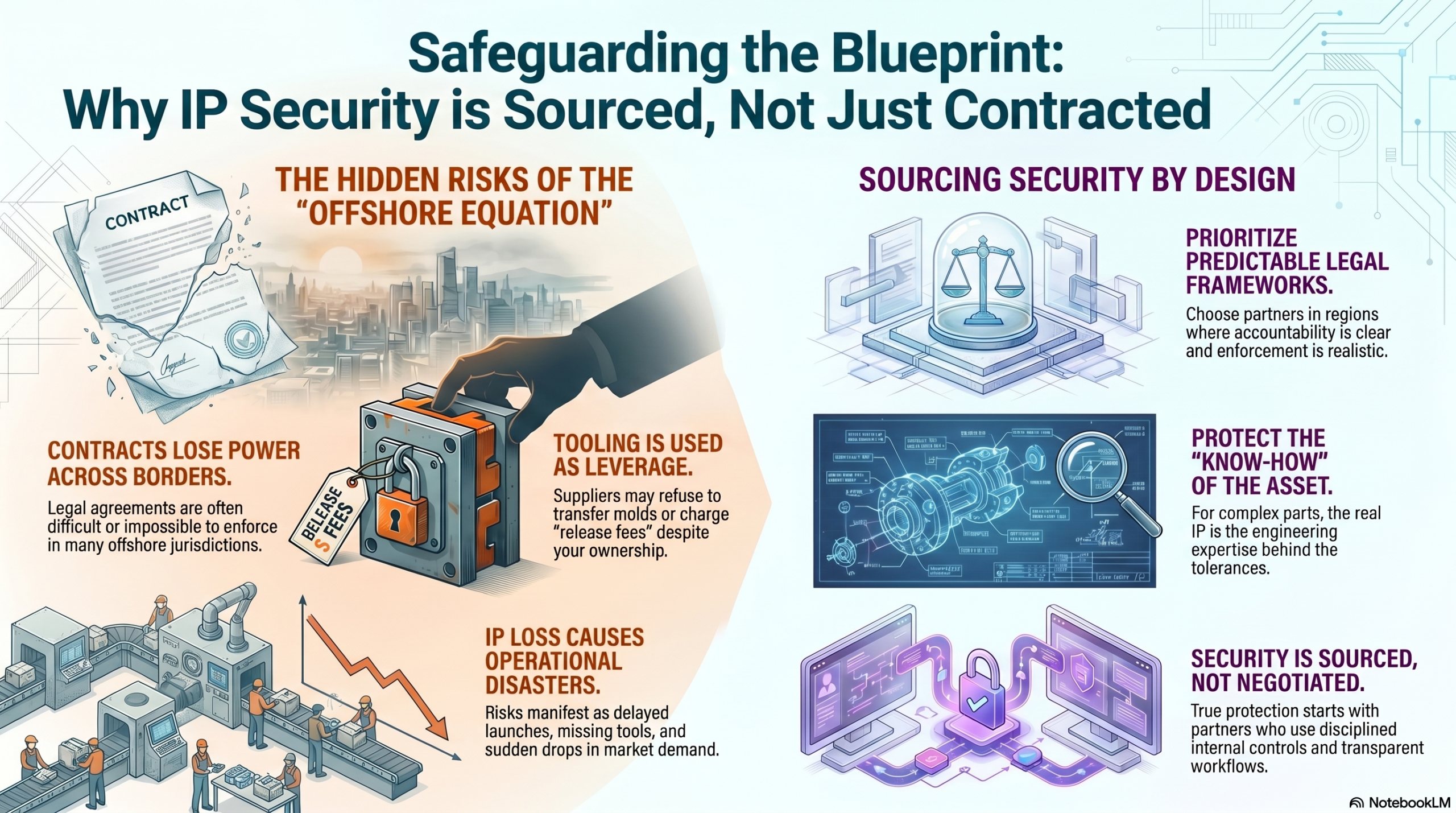
Podcast – Why Offshore Suppliers Hold Your IP Hostage

The Fourth Pillar: Why Procurement Partnerships Matter More Than Ever
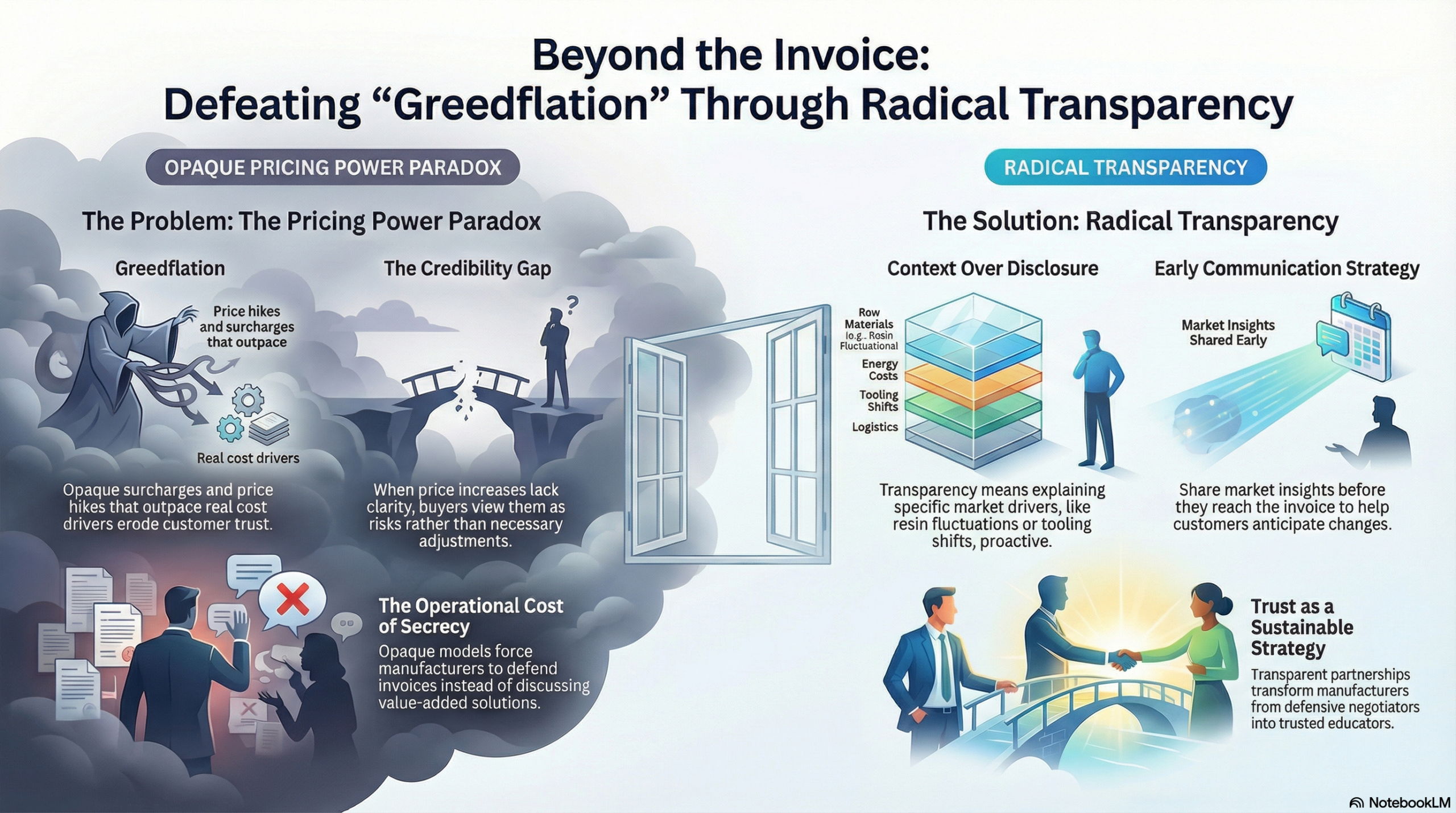
Podcast – Radical Transparency is the Greedflation Antidote
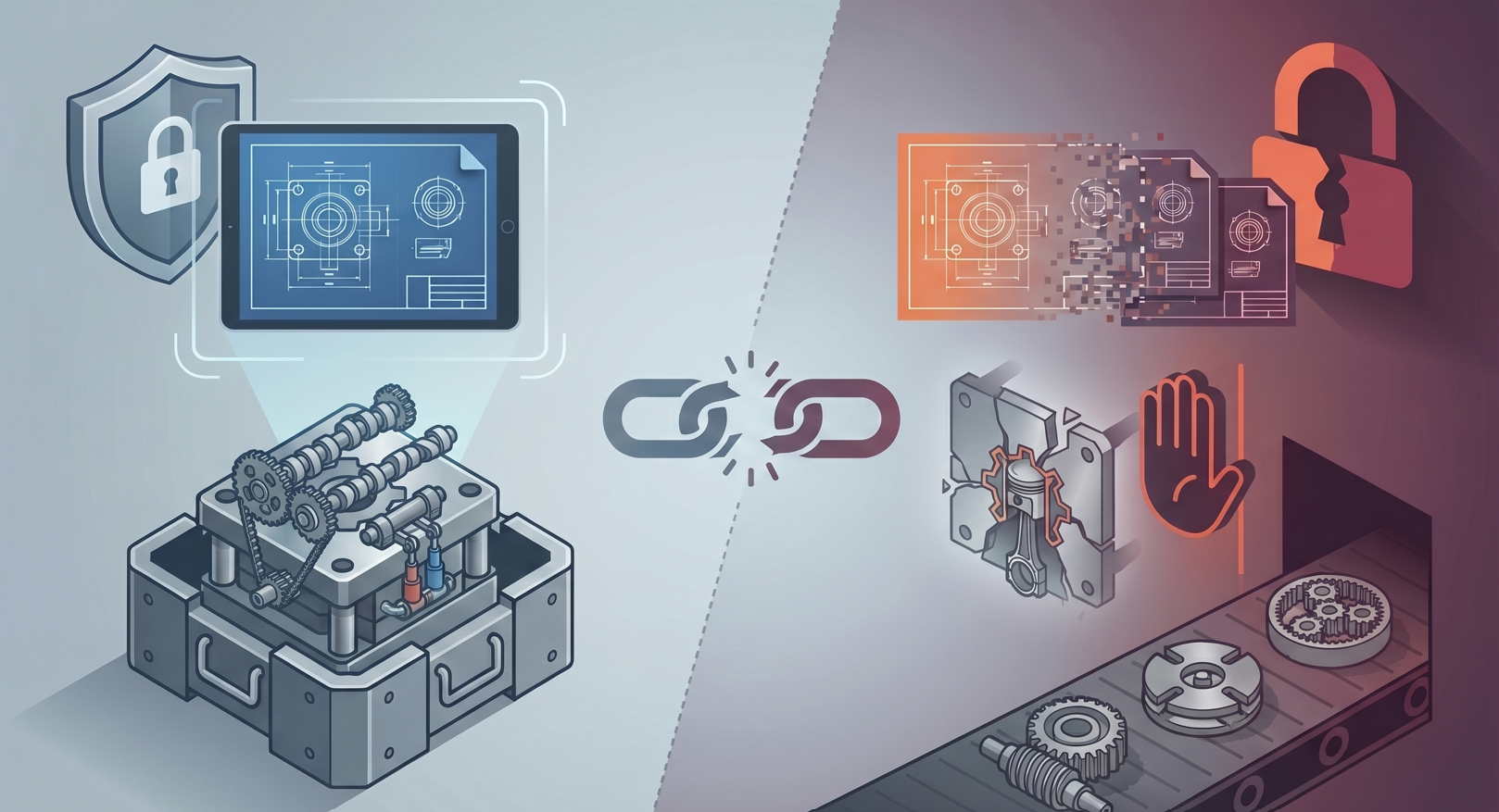
Safeguarding the Blueprint: Why Intellectual Property Security Is Sourced, Not Just Contracted
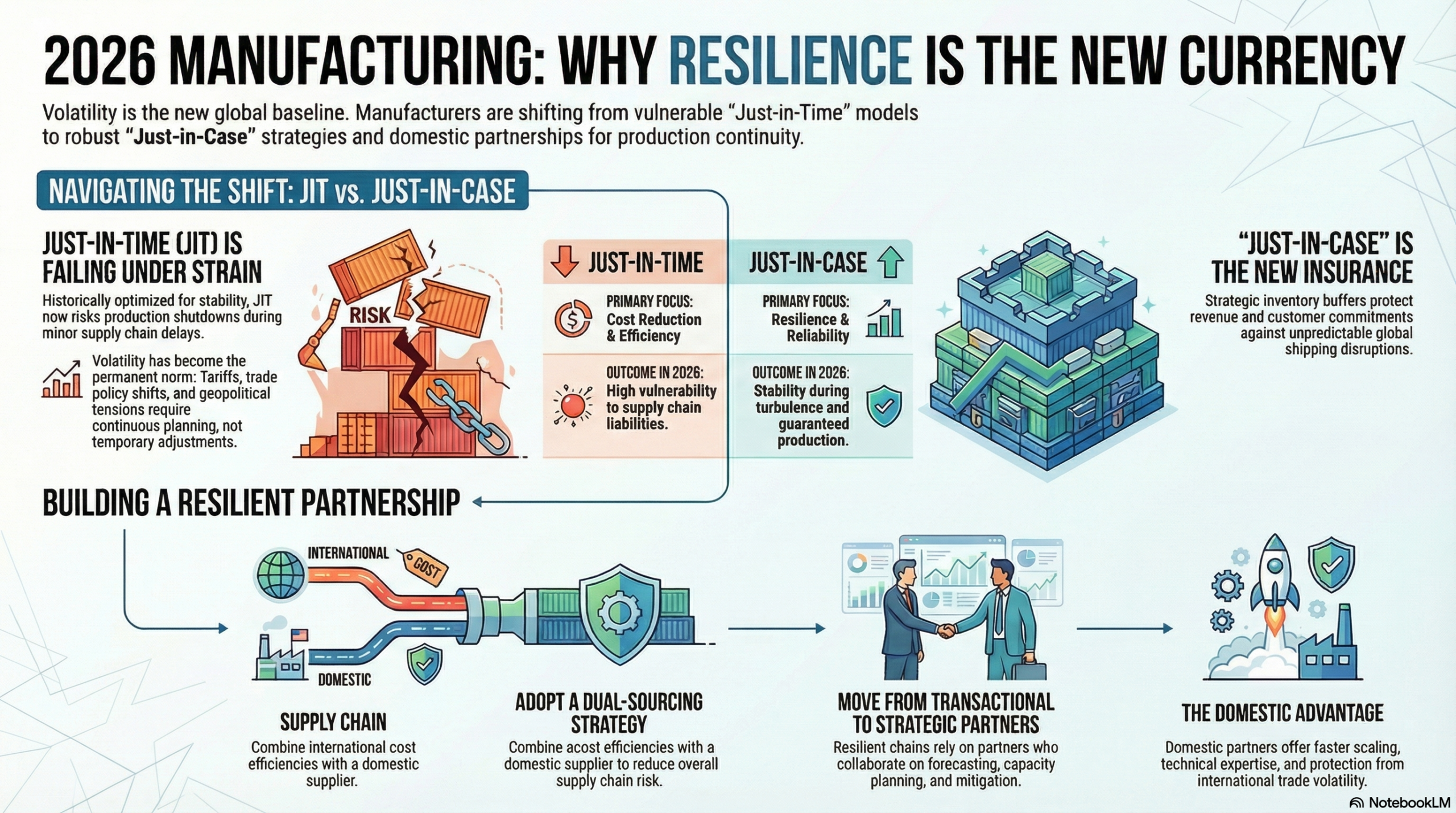
Podcast – Just in Case Replaces Just in Time

Beyond the Invoice: Defeating ‘Greedflation’ Through Radical Transparency
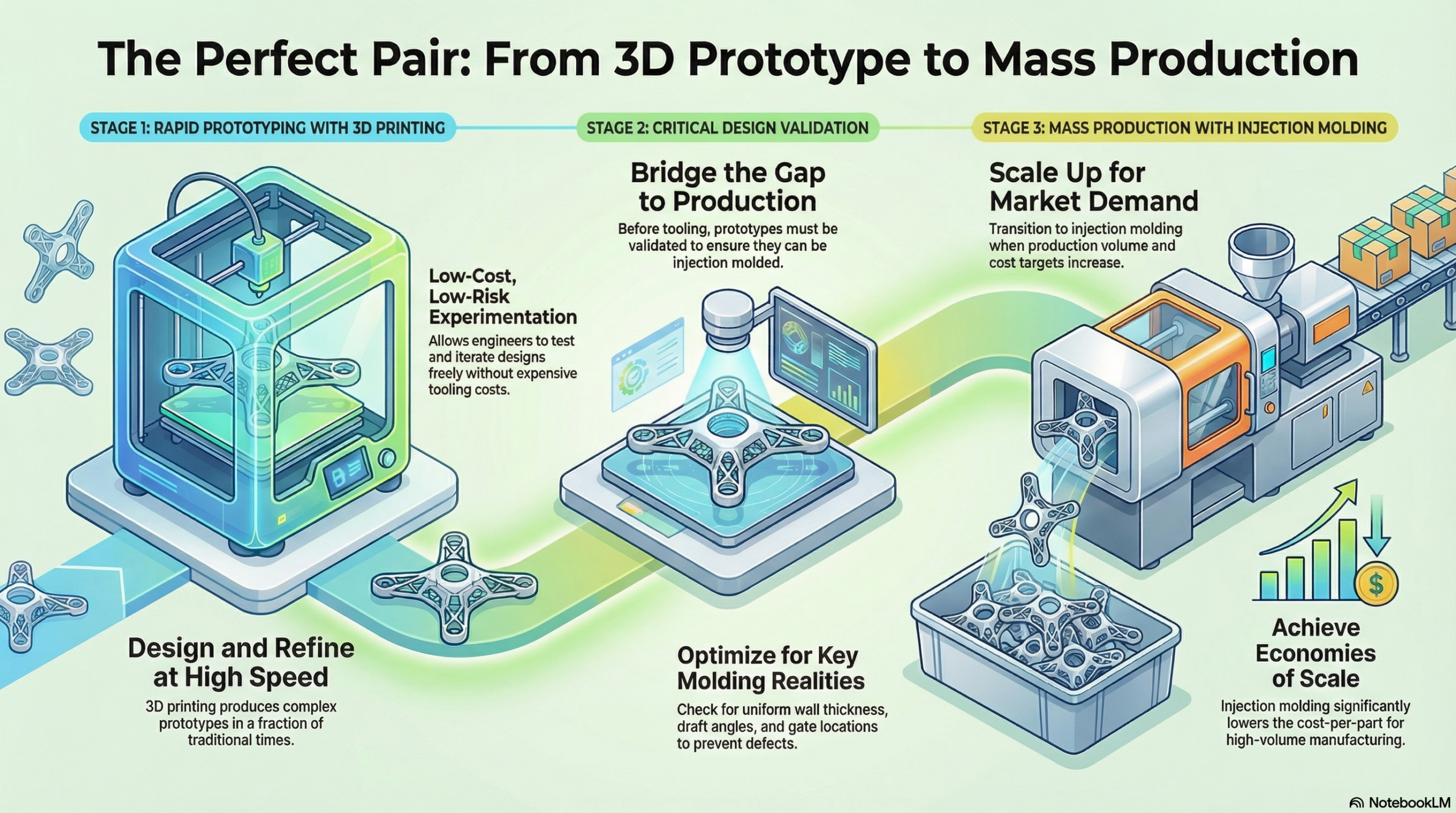
Podcast – Pairing 3D Print Prototyping With Injection Molding
Navigating the New Baseline: Why Resilience Is the 2026 Manufacturing Currency
Let’s Optimize Your Part Design
If you’re developing a new part or evaluating an existing design, New Berlin Plastics can help you apply DFM for injection molding to identify opportunities for improvement. By optimizing your design early, you can reduce cost, eliminate risk, and ensure a more efficient path to production. Let’s connect to discuss your project.
"*" indicates required fields